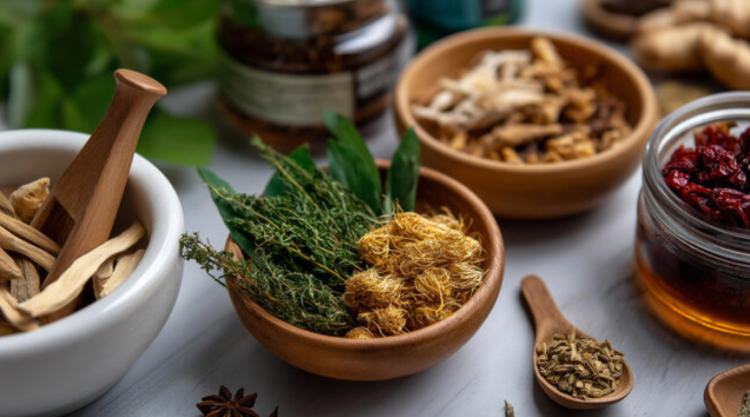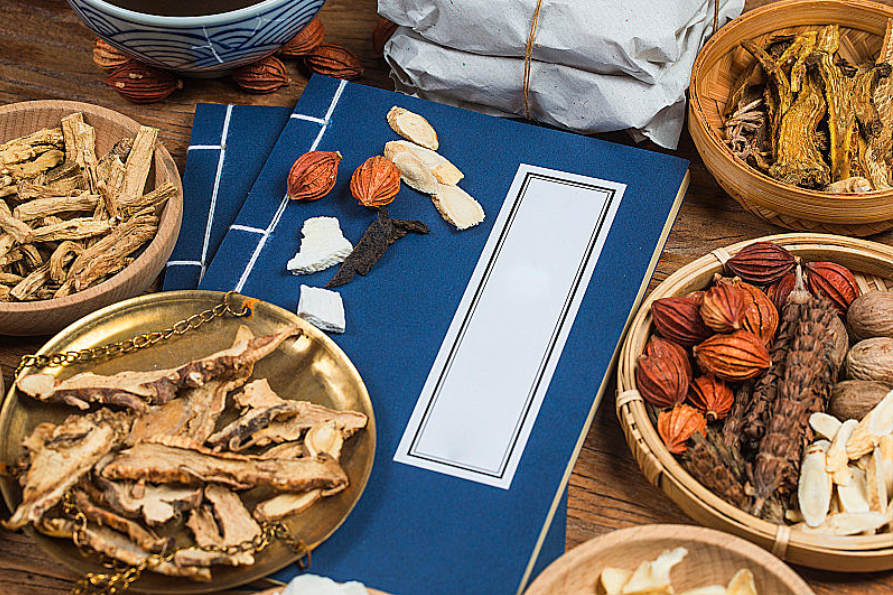
Sulfur fumigation leaves sulfur dioxide residues, which may alter natural flavour, weaken active compounds and raise safety concerns for long-term users. Organic sulfur-free herbs adopt natural air-drying and low-temperature drying methods. They retain the original aroma, natural colour and full potency of botanicals such as astragalus, codonopsis, white peony root, Chinese yam and goji berry. Even though they may look darker and less uniform, they deliver consistent therapeutic value, a core selling point for premium wellness products, herbal teas, dietary supplements and functional food lines.
Three major factors push this fast-growing demand. First, global consumers keep shifting toward clean, traceable plant-based wellness. Buyers avoid hidden chemical additives and actively check test reports for sulfur dioxide, heavy metals and pesticide residues. Second, tighter import regulations in EU, USA and Australia set strict limits on sulfur residues in herbal ingredients. Certified organic, sulfur-free lots help importers reduce customs rejection risks and meet organic certification requirements like USDA Organic and EU Organic. Third, differentiated branding: clean-label, sulfur-free TCM raw materials support higher profit margins and attract niche customers sensitive to chemical additives.
For TCM importers and bulk buyers, quality verification is critical. Reliable suppliers should provide third-party lab test certificates, origin traceability records and organic certificates before shipment. It is also important to confirm stable drying processes and proper warehouse moisture control, as sulfur-free herbs require better storage management to avoid spoilage.
As holistic wellness continues to expand worldwide, organic sulfur-free Chinese herbs represent a long-term opportunity rather than a short trend. Partnering with qualified, test-backed suppliers allows importers to capture high-value clean-label markets and build trust with downstream brands and practitioners.
If you are sourcing bulk organic sulfur-free TCM raw materials for your wellness business, contact our team for product catalogues, COA documents and wholesale pricing today.