
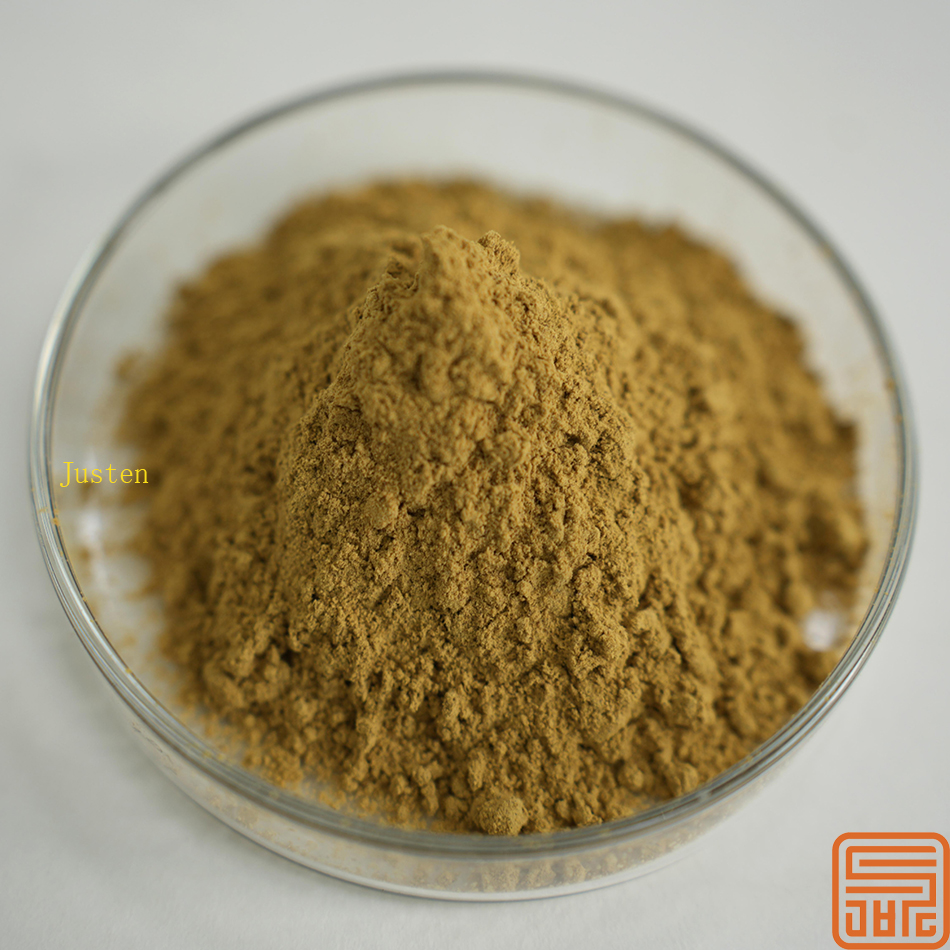
Because the number on your COA is only as good as the method behind it. Seven pharmacopoeias write the baicalin assay seven different ways — and only one of them, USP, puts a ceiling (not more than) on top of a floor. A certificate declaring "Baicalin ≥ 95% by HPLC" without naming the pharmacopoeia and the marker set is not a specification. It is a number waiting to be argued about.
That is the whole answer. Here is what it costs you when a shipment lands in Los Angeles or Rotterdam and the receiving lab runs a different equation.
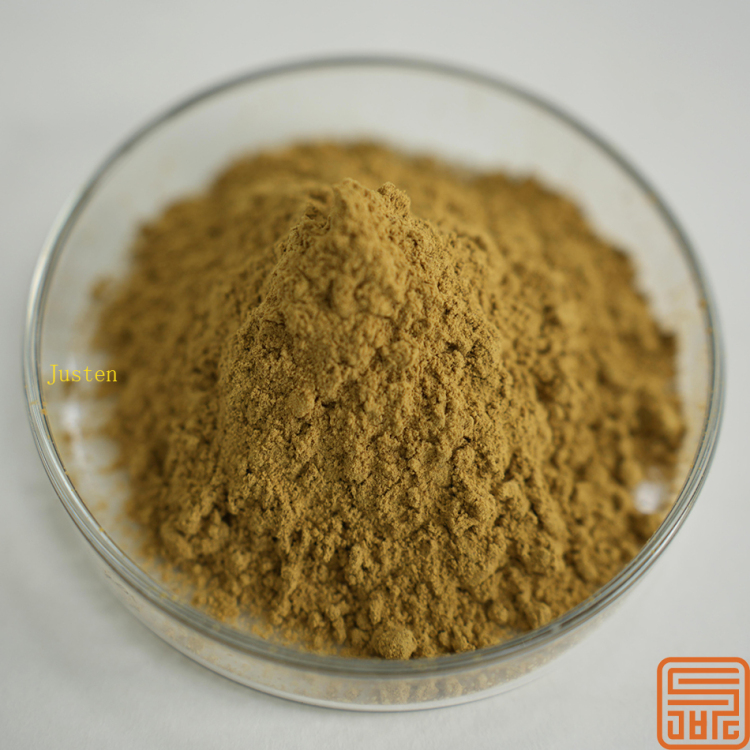
Quick reference — the same root, seven assays:
|
Standard |
What is actually measured |
Limit |
|
ChP 2020 |
Baicalin alone |
≥ 9.0% |
|
Ph. Eur. 2438 |
Baicalin alone |
≥ 9.0% |
|
JP 17 |
Baicalin alone |
≥ 10.0% |
|
KP 11 |
Baicalin + baicalein + wogonin (sum) |
≥ 10.0% |
|
USP-NF |
Baicalein 7-O-glucuronide + wogonin 7-O-glucuronide |
≥ 11% — plus aglycone cap ≤ 3.5% |
|
WHO monograph |
Baicalin alone |
≥ 9.0% |
|
ISO/TC 249 |
Baicalin alone |
≥ 8.0% |
Note the pattern. Six of the seven count one molecule. USP counts two different molecules and then tells you the other two must stay low.
Which single change in your purchase order stops the seven-answer problem?
Write the receptor's method and marker set into the PO, not just a percentage. The USP-NF monograph for Chinese Skullcap Root states the definition this way: it contains not less than 11% of total flavone glucuronides calculated as the sum of baicalein 7-O-glucuronide and wogonin 7-O-glucuronide on the dried basis — and not more than 3.5% of total flavone aglycones calculated as the sum of baicalein and wogonin on the dried basis.
Read that twice. USP is not asking "how much baicalin." It is asking how much of two glucuronides together, and it caps the aglycones separately. A supplier reporting "baicalin 95% HPLC" is answering a question USP never asked. That is the baicalin 95 percent COA test method explanation you should demand before you accept any certificate.
Two practical consequences. First, if your incoming QC uses a ChP-referenced HPLC method and your marketing claim says "USP-grade," those are two different tests, and your own lab will produce two different numbers. Second, the aglycone cap has no equivalent in ChP, Ph. Eur., JP, KP, WHO or ISO — which is why it is so rarely quoted and so often skipped.
The number of aglycones rises, not falls, when a supplier pushes purity by enzymatic or acid hydrolysis. Baicalin is the glucuronide; baicalein is its aglycone. Convert one into the other to inflate a "purity" figure and you move the material in exactly the direction USP's ceiling is designed to catch. That is not a loophole in the standard. It is what the standard was written for.
✅ Before your next PO, confirm three things: the pharmacopoeia, the marker set, and whether a ceiling applies. ✅ Ask for the raw chromatogram, not just the summary line. A peak table with retention times is auditable; "Complies" is not. ✅ Write the marker set as a specification for baicalin extract purchase order use — the pharmacopoeia, the two-ratio method and the direction of every limit belong in the document itself, not in an email thread.
Bottom line: A "Baicalin ≥ 95% by HPLC" COA is not a specification — it is one pharmacopoeia's answer to a question the other six ask differently, and only USP also imposes an upper limit on flavone aglycones.
Now consider a different failure mode — one that no percentage at all can detect.
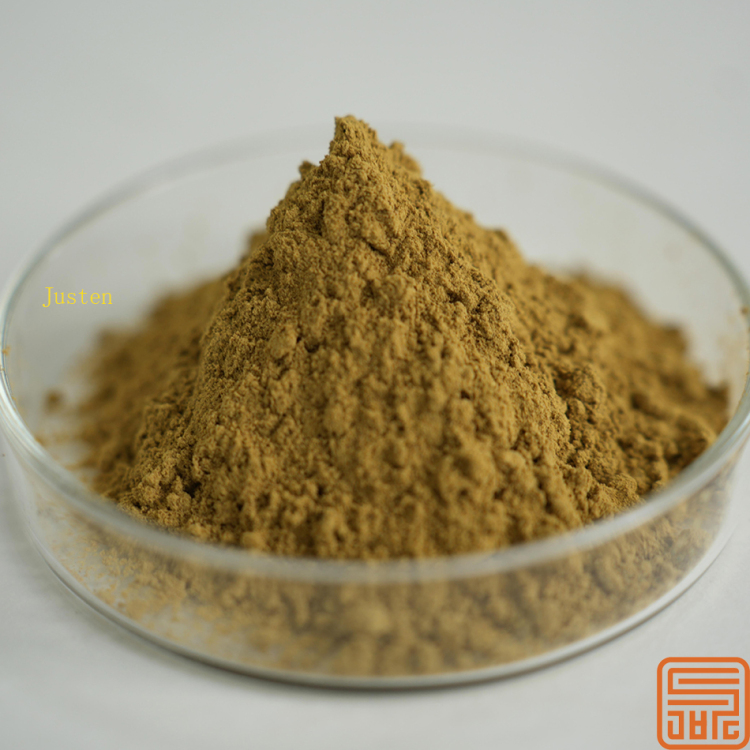
Can a laboratory number hide a substitution from a different species entirely?
Yes — and this one is more dangerous than a method mismatch, because the COA can be completely honest and still describe the wrong plant. "Skullcap" is not one species. Buyers searching a baicalin supplier often do not realise two different plants share the name, and the gap between them is not marginal.
American skullcap (Scutellaria lateriflora) carries baicalin in its aerial parts at roughly 0.18% (1,790 ± 550 µg/g). Chinese skullcap (Scutellaria baicalensis) concentrates the same compound in its roots at 5.79% to 15.31% of dry weight. That is a 32-fold to 85-fold difference by tissue and species — not a rounding error, a different order of magnitude.
Two more facts worth holding. A DNA-barcode survey of 104 commercial S. baicalensis samples across 24 provinces found that 86.55% shared a single haplotype (THap2) — commercial germplasm is far narrower than the market assumes. And in one HPLC survey of 25 samples from 17 growing regions, the ratio of baicalin to wogonin stayed under 3, while baicalin-to-baicalein and baicalin-to-wogonin ratios sat between 20 and 50. If you need to know how to distinguish skullcap species in baicalin extract before shipment, that ratio range is where you start.
That ratio range is the tool. It is the closest thing this category has to a cheap fingerprint check, and it appears in no commercial COA template I have seen from any supplier.
Think of it like checking milk by its fat-to-protein ratio rather than by volume alone. Volume tells you how much liquid arrived. The ratio tells you what animal it came from. Knowing how to distinguish skullcap species in baicalin extract starts with the same idea.
✅ Add a botanical identity line to your specification: genus and species, plant part, and origin province. ✅ Request the co-eluting ratio (baicalin:wogonin) as a secondary check. Cheap to produce, hard to fake. ✅ For finished-product brands in the EU or US, add a DNA-barcode or HPTLC identity test at least once per qualifying supplier, not per shipment.
Bottom line: Because American skullcap and Chinese skullcap differ by 32- to 85-fold in baicalin content, a species substitution can pass a percentage assay — so to distinguish skullcap species in baicalin extract, specify genus, species and plant part, not just a purity figure.
Frequently Asked Questions
Does a higher baicalin percentage always mean a better extract? No. Solubility and bioavailability are separate from assay. Baicalein's solubility in water is about 0.026 mg/mL, and oral baicalin bioavailability is roughly 30%. A 98% powder can dissolve more poorly than an 85% one and deliver less. Match grade to application, not to a leaderboard — and treat any baicalin 95 percent COA test method explanation as incomplete until the dissolution behaviour is stated alongside the assay.
Which pharmacopoeia should I cite for a US dietary supplement ingredient? The USP-NF monograph if your customer's QC follows USP. For a food or beverage application, ChP or the applicable food monograph may serve better. Cite the one your receiving lab can actually run, and name the edition.
How do I check a supplier without a full lab audit? Ask for four documents and read them against each other: the COA with the pharmacopoeia and edition named, the raw chromatogram, a botanical identity statement, and a third-party report on heavy metals and pesticides. If you want to distinguish skullcap species in baicalin extract without sequencing, the identity statement is the line to read first. Inconsistency between those four is the finding, not the absence of any one of them.