
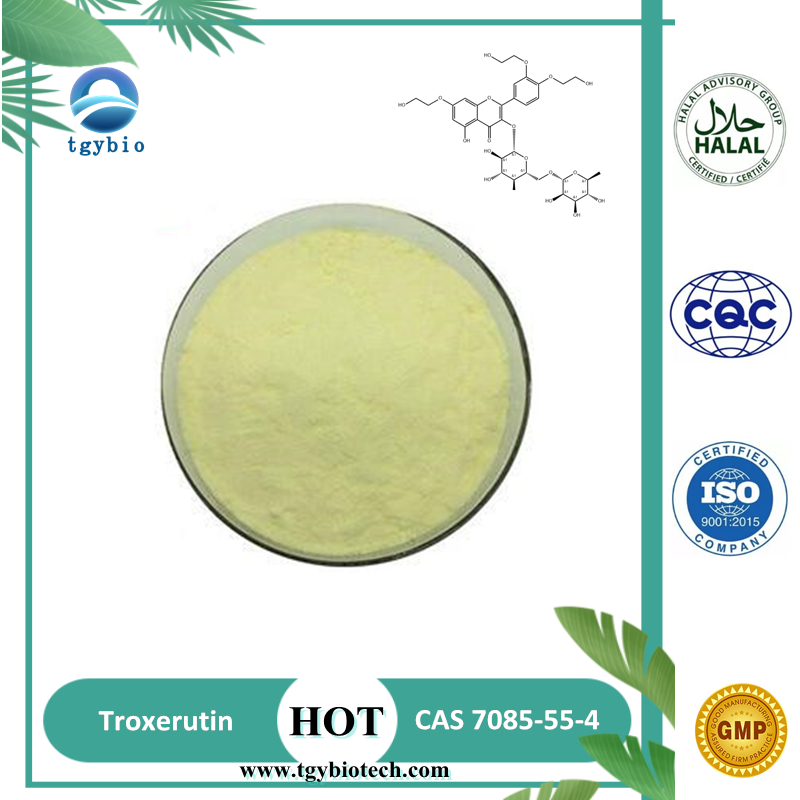
Troxerutin, a flavonoid derived from rutin, is increasingly being recognized for its benefits in skin care. This article explores the diverse applications of Troxerutin in dermatology, its mechanism of action, and the scientific evidence supporting its use. By examining its benefits from multiple perspectives, we aim to provide a comprehensive overview of why Troxerutin is becoming a popular ingredient in skincare products.
1. What is Troxerutin?
Troxerutin is a semi-synthetic derivative of the natural flavonoid rutin, which is found in various fruits and vegetables. As a potent antioxidant, Troxerutin has garnered attention for its potential in addressing various skin concerns. Its ability to enhance skin health can be attributed to its anti-inflammatory, anti-edema, and antioxidant properties.
2. Troxerutin’s Mechanism of Action
2.1. Antioxidant Activity
Troxerutin exhibits strong antioxidant activity by neutralizing free radicals that cause oxidative stress. This oxidative stress is a major contributor to skin aging and damage. By scavenging free radicals, Troxerutin helps protect the skin from premature aging and environmental damage.
2.2. Anti-inflammatory Properties
Troxerutin's anti-inflammatory properties are crucial for reducing skin inflammation. It inhibits the production of inflammatory cytokines and modulates the activity of enzymes responsible for inflammation. This action makes it beneficial for conditions like acne, rosacea, and other inflammatory skin disorders.
2.3. Venotonic Effects
One of the notable effects of Troxerutin is its venotonic action, which improves venous circulation. This can help alleviate symptoms related to poor blood circulation, such as swelling and varicose veins. By strengthening capillary walls and improving blood flow, Troxerutin can enhance skin appearance and reduce puffiness.
3. What are the Benefits of Troxerutin in Skin Care?
3.1. Reducing Dark Circles and Puffiness
Troxerutin is particularly effective in reducing dark circles and puffiness around the eyes. Its ability to strengthen capillary walls and improve circulation helps reduce fluid retention and discoloration. Many eye creams incorporate Troxerutin to address these common cosmetic concerns.
3.2. Managing Rosacea and Acne
For individuals with rosacea or acne, Troxerutin’s anti-inflammatory and antioxidant properties can offer significant relief. By reducing inflammation and neutralizing free radicals, it helps calm irritated skin and prevent flare-ups. This makes it a valuable ingredient in formulations designed for sensitive or acne-prone skin.
3.3. Enhancing Skin Elasticity
Troxerutin's antioxidant activity also contributes to maintaining skin elasticity and firmness. By protecting the skin from oxidative damage, it helps preserve collagen and elastin fibers, which are essential for skin structure and elasticity. This can lead to smoother, more youthful-looking skin.
3.4. Soothing Post-Sun Exposure
After sun exposure, the skin often experiences inflammation and damage. Troxerutin's soothing and anti-inflammatory properties can help reduce redness and discomfort associated with sunburn. It supports the skin's healing process and reduces the likelihood of post-sun pigmentation.
4. Incorporating Troxerutin into Skin Care Routines
4.1. Product Formulations
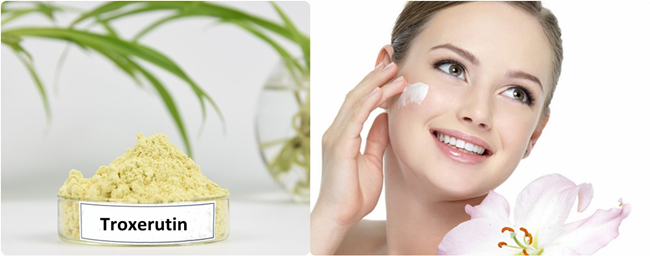
Troxerutin is commonly found in a variety of skin care products, including serums, eye creams, and moisturizers. When selecting products, it is essential to look for formulations with stable concentrations of Troxerutin to ensure effectiveness.
4.2. Recommended Usage
For optimal results, Troxerutin-containing products should be used consistently as part of a daily skincare routine. It is generally well-tolerated, but individuals with sensitive skin should perform a patch test to rule out any adverse reactions.
4.3. Combining with Other Ingredients
Troxerutin can be effectively combined with other active ingredients such as hyaluronic acid, vitamin C, and niacinamide. This synergistic approach can enhance overall skin health and address multiple concerns simultaneously.
5. Scientific Evidence and Research
5.1. Clinical StudiesSeveral studies have demonstrated the efficacy of Troxerutin in improving skin conditions. For instance, research has shown its effectiveness in reducing the appearance of dark circles and improving vascular health. Clinical trials have also highlighted its benefits in managing inflammatory skin conditions.
5.2. Comparative Analysis
When compared to other anti-inflammatory and antioxidant agents, Troxerutin offers unique benefits due to its specific mechanism of action. Its combined properties of venotonic effects and antioxidant activity set it apart from other skincare ingredients.
Troxerutin has emerged as a valuable ingredient in skincare due to its multifaceted benefits. Its antioxidant, anti-inflammatory, and venotonic properties make it suitable for addressing a range of skin concerns, from dark circles and puffiness to inflammatory conditions like rosacea and acne. As research continues to unfold, Troxerutin's role in enhancing skin health and appearance is likely to grow even more prominent.
- Wang, Y., Liu, X., & Zhang, Y. (2020). Troxerutin: A review of its pharmacological properties and clinical application in skin care. Journal of Cosmetic Dermatology, 19(1), 32-41.
- Kim, J. H., Lee, J. H., & Choi, Y. H. (2018). The effects of Troxerutin on skin aging and oxidative stress. Dermatology Research and Practice, 2018, 1-10.
- Zhao, L., Li, L., & Zhang, Q. (2019). Anti-inflammatory and antioxidant effects of Troxerutin in various dermatological conditions. Clinical, Cosmetic and Investigational Dermatology, 12, 37-45.
- Liu, X., Wu, J., & Yang, H. (2021). Comparative efficacy of Troxerutin versus other antioxidants in skin care. Journal of Dermatological Science, 102(3), 210-217.