
1. Which Support Level Matches Which Indication?
The indication decides the construction, the construction decides the price — reverse that order and your range will not sell. A rigid steel-plate belt, an adjustable lumbar belt and a shoulder-based corrector are not three grades of the same product; they load the spine in three different ways.
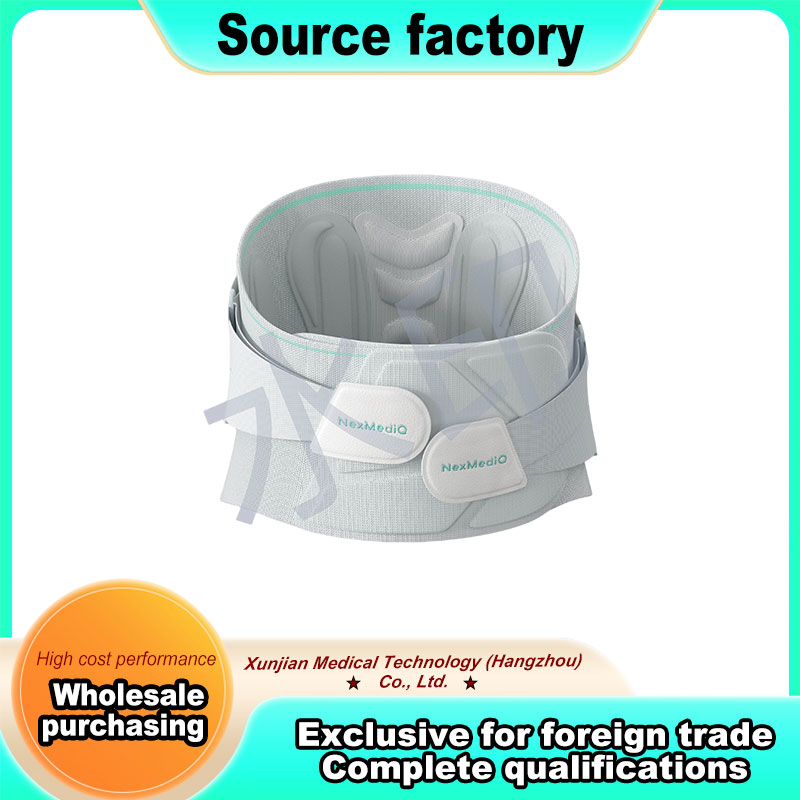
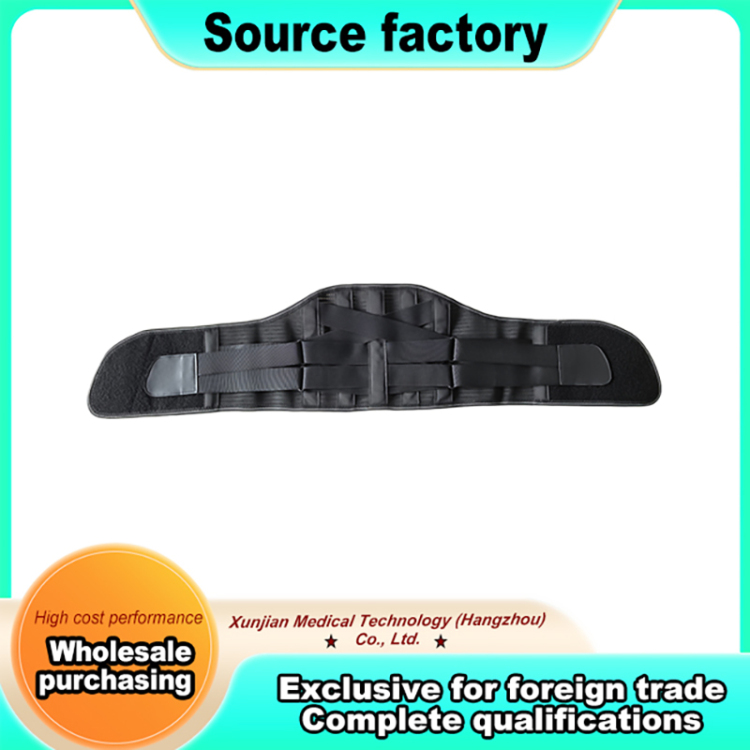
Rigid steel-plate construction — the recovery SKU. A Steel Plate Back Brace uses four to five curved steel stays sewn into a mesh or fish-silk shell, plus a wide elastic compression band. The stays are pre-curved to follow the lumbar lordosis, so the belt limits flexion rather than simply squeezing the waist. This is the construction that fits lumbar strain recovery, post-surgery fixation and heavy manual work — the four-to-six-hour wear window where the user needs the belt to do the work, not to train anything. Retail channels: pharmacies, orthopedic clinics, occupational health programs.
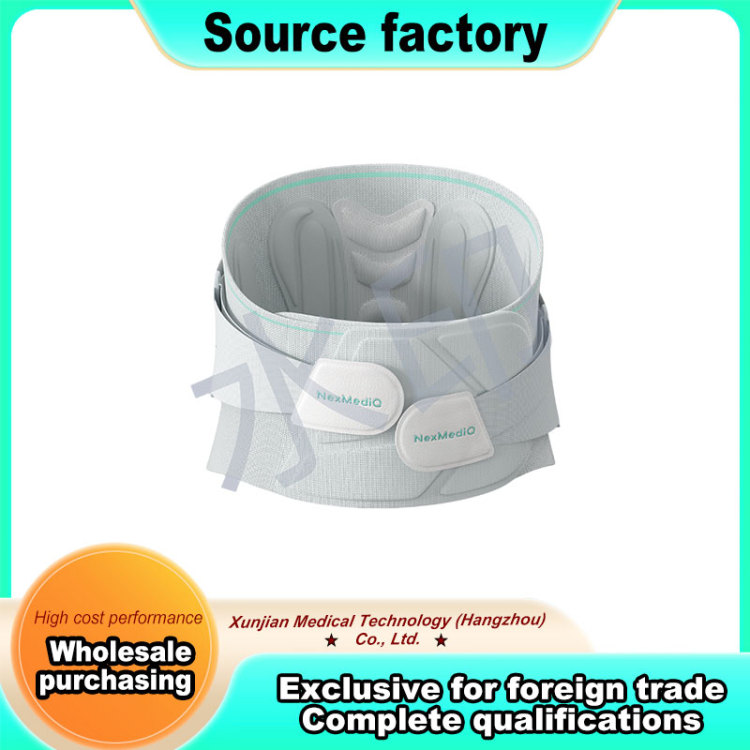
Adjustable lumbar construction — the volume SKU. A Lumbar Support Belt built on four steel stays plus one removable bionic aluminum plate sits one step softer. The aluminum plate bends to the individual curve and can be taken out for washing or for users who find it too stiff. Dual cross elastic straps let the wearer dial compression up for lifting and down for desk work, which makes it the SKU that survives a full working day. It is also the easiest product to explain at shelf level, because the removable plate is visible through the mesh and reads as a quality cue.
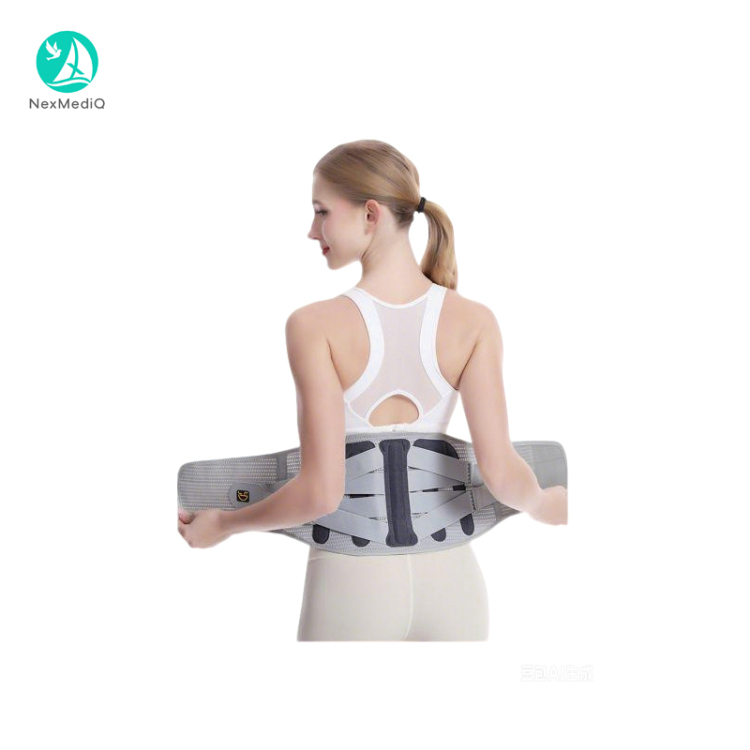
Soft posture construction — the entry and gifting SKU. A Posture Corrector works on the shoulder girdle, not the waist. Velvet or neoprene shells with sponge padding and nylon webbing straps pull the shoulders into mild external rotation; the corrector is a training tool worn one to two hours a day, and the category's own clinical convention is that long-term dependence is counterproductive. Its value to a buyer is commercial, not clinical: lowest unit cost, smallest carton, widest age range, strongest e-commerce conversion.
| Construction | Stays / structure | Primary indication | Daily wear | Best channel | Typical 2026 FOB |
|---|---|---|---|---|---|
| Rigid steel-plate belt | 4–5 curved steel stays, 22–26 cm height | Lumbar strain, post-op fixation, manual work | 4–6 h | Pharmacy, clinic, occupational health | US$3.20–4.80 |
| Adjustable lumbar belt | 4 steel + 1 removable bionic aluminum plate | Prolonged sitting, driving, mixed activity | 6–8 h | Pharmacy chain, Amazon, physio reseller | US$4.50–6.20 |
| Posture corrector | 1 flexible rod or EVA plate, shoulder webbing | Rounded shoulders, desk posture, teens | 1–2 h | E-commerce, gift/retail, school programs | US$1.80–2.90 |
✅ Bottom line: Match the construction to the wear window — rigid for recovery, adjustable for all-day work, soft for habit training — and the three SKUs stop competing with each other.
2. What Does Each Specification Change Actually Cost You?
Every added stay, fabric upgrade and size variant moves landed cost further than the factory's base quotation suggests. A Lumbar Support Belt quote, for instance, is usually written against the simplest four-stay configuration, so the gap between a quoted price and a delivered container is created by specification drift, not by negotiation skill.
The five line items that move a back-support quote most, based on current Hangzhou factory pricing:
- Each extra curved steel stay: US$0.18–0.25 at FOB, plus roughly 40 grams of shipping weight. On a Steel Plate Back Brace, going from four stays to five raises support and price together — decide it against the indication, not against the competitor's spec sheet.
- Mesh to fish-silk shell: +8–12% on unit cost. Fish silk stretches less and holds its shape through repeated washing, which matters for rental, clinic and institutional buyers far more than for retail.
- Bionic aluminum plate added or removed: US$0.60–0.90 per unit. This single component is the clearest price separator between an entry belt and a mid-tier belt.
- Injection hook versus stitched hook-and-loop: injection-moulded hooks cost more but eliminate the loose thread ends that generate one-star reviews after six weeks of use.
- Leather or rainproof outer layer: +15–25%, justified only for outdoor, fishing and cold-climate markets.
Then comes the sizing decision, which is where opening orders usually go wrong. A four-size curve in two colours is eight SKUs; at the 300–500 piece minimums most factories apply per SKU that is 2,400–4,000 units before a single belt ships. Lower the risk instead: open with M and L only — they cover roughly 60–70% of adult waist circumference in most Western markets — hold the other sizes for the second order, and let the factory cut the full curve once sell-through data exists. XUNJIAN quotes from single pieces per model on stock constructions, so a buyer can validate the mix before committing to volume, and the belts share the same shell fabric and hook tape across models so a mixed wholesale order never multiplies minimums.
Do not forget the landed layer either: ocean freight and duty typically add 8–12% to FOB for cartons of this bulk, and retail-ready polybags or colour boxes add a further 3–6%. A belt quoted at US4.20 rarely lands under US4.80. A Posture Corrector behaves differently — carton density is three to four times higher, so freight per unit is low enough that air-shipping a trial order is often cheaper than waiting for a container.
✅ Bottom line: Freeze the specification before you compare quotes — stay count, plate type, shell fabric and size curve explain most of the price gap between suppliers.
FAQ
Q: Can one belt handle both lumbar support and posture correction? A: Not properly. A Lumbar Support Belt loads the lower spine and cannot pull the shoulders back, while a Posture Corrector works above the shoulder blades and leaves the lumbar area unsupported. Clinics that try to substitute one for the other usually see the product returned within a month. Carry both and let the indication route the customer.
Q: What is a realistic minimum order for a mixed range? A: Expect 300–500 pieces per style and colour from most Chinese factories, with mixed-style containers accepted once the total volume is agreed. Xunjian Medical Technology (Hangzhou) Co., Ltd. quotes per style but will consolidate a custom assortment of rigid belts, adjustable belts and correctors into one order, which is the cheapest way to test three price points at once.
Q: Which documentation should I request before listing in EU pharmacies? A: Ask for the medical device classification of each model, the technical file summary, material safety data for skin-contact fabrics, and a declaration covering REACH and, where applicable, CE marking. Confirm the factory's quality system documentation covers incoming fabric inspection, stay curvature checks and final tension testing — XUNJIAN runs full-process control across raw material, production and final inspection, and buyers should verify the same for any alternative supplier before signing.
CTA: Build Your Three-SKU Back Support Range
Send your target market, retail channel and price ceiling, and XUNJIAN will return a recommended assortment sheet with support level per SKU, size curve, carton dimensions and a factory-direct quotation within two working days. Sample sets of the rigid Steel Plate Back Brace, the adjustable lumbar model and the soft corrector ship together so you can compare them side by side on a real body. OEM and ODM programs cover logo, shell fabric, stay count, packaging and private-label artwork. Contact the export team through quickmedhome.com to start with a free assortment review.