
That distinction matters because most clinics buy one SKU for every procedure, then either overpay on hygiene-adjacent work or run out of drape in the middle of a graft. What follows is the line-by-line delta between the two configurations, a procedure-by-procedure mapping, and the gown size arithmetic that decides whether your cartons clear customs without a re-order.
1. What actually changes between the two configurations?
The standard vs reinforced dental surgical pack difference comes down to four lines — drape weight, gown specification, absorbency volume and surface protection. Everything else is usually identical. Suction tubing, drill sleeves and the basic gauze count rarely change, which is why a reinforced pack can cost 35% more while looking almost the same on the invoice — Jinhongshengda quotes both versions on the same sheet for exactly this reason.
|
Line item |
Standard |
Reinforced |
What the upgrade buys |
|
Main drape |
SMS 35–40 gsm, U-split 100 × 150 cm |
SMS 45 gsm + PE film, 100 × 150 or 150 × 180 cm |
Strike-through resistance past 60 minutes |
|
Surgical gowns |
2 × 35 gsm, standard cut |
2 × 45 gsm, reinforced forearm and chest panel |
Alcohol and blood resistance in critical areas |
|
Back table cover |
1 × single-ply 140 × 190 cm |
1 × 2-ply 140 × 190 cm |
Wet tray stops wicking onto the table |
|
Gauze |
10 swabs, 10 × 10 cm, 8-ply |
16 swabs + 2 laps |
Multi-site and grafting cases |
|
Light handle covers |
Not included |
2 pairs |
Two-operator setup |
|
Instrument table cover |
Optional |
Included |
Longer tray, more instruments |
|
Unit price at 500 pcs |
US$2.0–3.2 |
US$3.4–5.0 |
— |
Weight is the number that survives a tender. A 35 gsm SMS drape can pass the hydrostatic pressure test under EN 13795-1 and still wet through after forty minutes of continuous irrigation, because the lab test measures a fresh specimen under static pressure, not a loaded drape under a suction line. Passing a bench test and surviving a two-hour full-arch case are different claims, and only one of them shows up on the spec sheet.
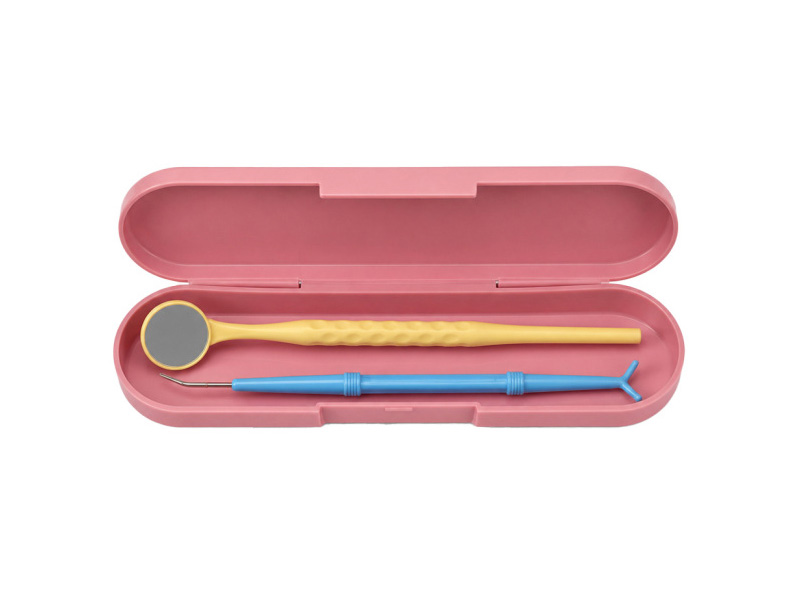
Neither configuration includes the cutting or extraction instruments. Elevators, forceps, periotomes and ratchets are reusable Dental Hand Instruments that get sterilized between cases and laid out on the Mayo stand — the single most common purchasing error here is ordering "reinforced" expecting more instruments and receiving more fabric.
✅ Bottom line: If the item list grows by fewer than three lines, you are buying one upgrade, not a configuration.
2. Which procedure should drive the configuration?
Map the pack to chair time and irrigation volume: under 20 minutes and under 100 ml of saline, standard is correct; past 45 minutes or into any grafting, the reinforced pack pays for itself in the first case.
|
Procedure |
Chair time |
Irrigation |
Configuration |
Items |
|
Simple extraction |
10–20 min |
50–100 ml |
Standard |
10–12 |
|
Surgical / impacted third molar |
30–45 min |
200–400 ml |
Standard + heavier drape |
12–14 |
|
Single implant |
45–60 min |
500–1,000 ml |
Reinforced |
13–16 |
|
Multiple implants or graft |
90–180 min |
1,000 ml+ |
Reinforced, full drape 150 × 180 cm |
16–20 |
|
Pediatric extraction |
10–15 min |
Under 50 ml |
Standard, smaller drape |
10 |
A clinic running 1,200 simple extractions a year saves US$1,200–1,800 by not upgrading them, which is roughly the cost of 400 reinforced packs. The reverse error is worse: a graft case that wets through its back table cover contaminates the instrument tray and adds twenty minutes of re-setup. Jinhongshengda ships both tiers into the same container for distributors who serve mixed practices, so the split can be adjusted per shipment rather than per contract. Which dental surgical pack for extraction vs implant surgery is really a question about millilitres and minutes, not about which pack sounds more professional on the shelf.
Gown size is a supply-chain decision that most buyers leave to the supplier. In EU and Gulf tenders the size must be printed on each pouch, and a one-size pack forces your largest operator into a gown that splits at the shoulder seam mid-case. A workable split for a mixed clinical team is 20% M, 50% L, 25% XL and 5% XXL, with sleeve length and knitted cuff spec'd alongside — a disposable dental surgical pack with surgical gown sizes is only useful if the size mix matches your actual staff, not a generic ratio copied from a catalogue. Some distributors go further and specify two different sizes inside one pack, one for the surgeon and one for the assistant; that is a normal OEM request, not a special order.
Surgical packs also rarely fill a container alone. Distributors pairing them with Dental Disposable Kits for chairside volume — saliva ejectors, bibs, cotton rolls — and a Dental Examination Kit for the diagnostic side cut freight and customs handling to a single shipment instead of three.
Ningbo Jinhong Shengda Import & Export Co., Ltd. builds both configurations on three production lines, quotes OEM component mixes and gown size splits from 500 packs, and ships a pre-shipment inspection report with every lot so the size printed on the pouch matches what is in the carton.
✅ Bottom line: Two SKUs on the shelf — standard for quick work, reinforced for long work — beats one compromise pack that overcharges half your cases.
FAQ
Q: Is a reinforced pack just a thicker drape?
A: No, and this is where quotes get inflated. The standard vs reinforced dental surgical pack difference should show up in at least three lines: drape weight plus film, gown gsm plus reinforcement panels, and gauze count. If a supplier's "reinforced" option only changes the drape, you are paying a 15% premium for one line — ask for the item list side by side before comparing price.
Q: Can we specify different gown sizes inside a single pack?
A: Yes. A disposable dental surgical pack with surgical gown sizes mixed per carton is a routine OEM request from 500 packs per configuration. State the split explicitly, and confirm the size is printed on the pouch rather than the outer box — theatre staff read the pouch, not the carton.
Q: Should a clinic that does both extractions and implants buy two SKUs?
A: Yes. A typical split is 70% standard and 30% reinforced, reviewed quarterly against actual case counts. Clinics that standardize on one reinforced SKU for everything usually discover they are spending 25–30% more on consumables than their case mix justifies.
Tell Us Your Monthly Case Mix, Get a Pack Split
Send your monthly extraction and implant counts, plus your current gown size distribution, and Ningbo Jinhong Shengda Import & Export Co., Ltd. will return a recommended standard-to-reinforced split with FOB pricing, carton dimensions and a size-mix table within two working days. If you are still deciding which dental surgical pack for extraction vs implant surgery fits your own case mix, that table answers it in numbers rather than adjectives. Include the drape size you use today — U-split or full — and the quote comes back ready for a tender submission instead of a follow-up email.
 Phone:+86 13705741581 Mail:[email protected]
Website:www.jhsdmed.com