
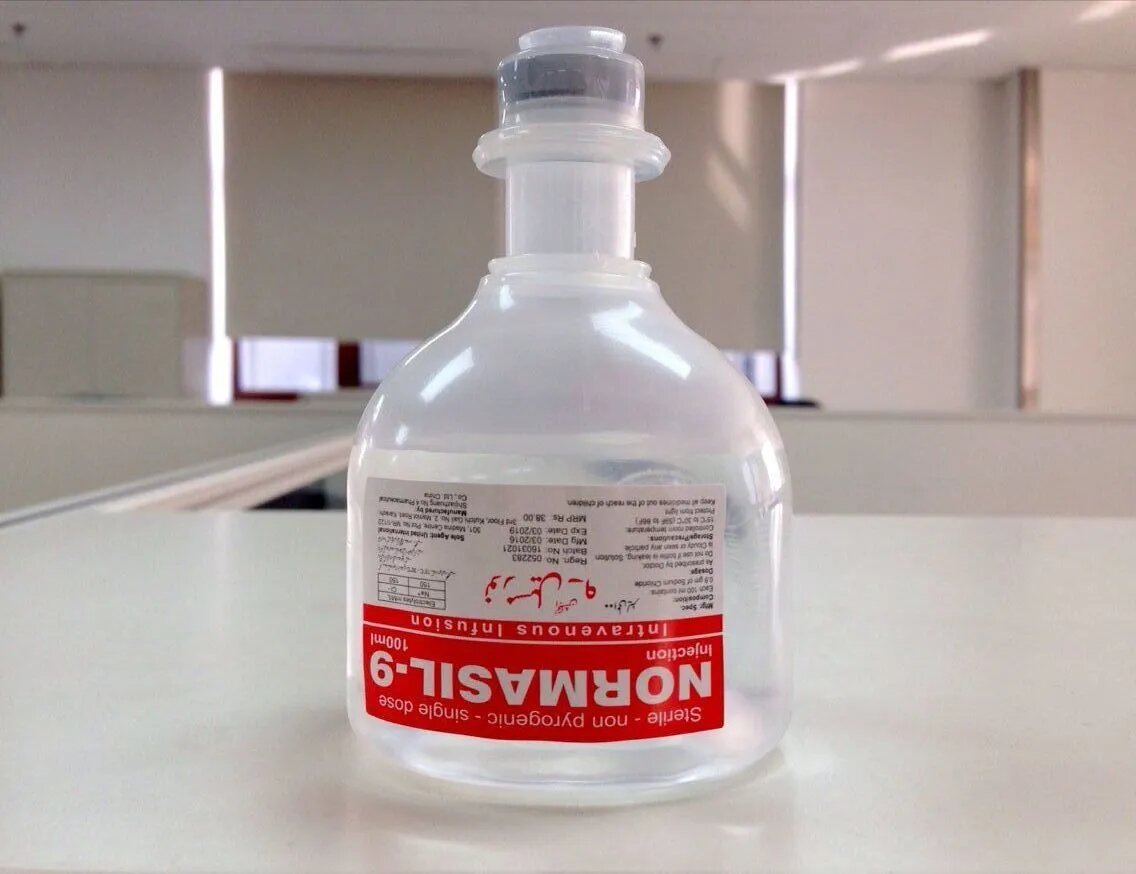
Understanding particulate matter limits for large volume parenteral USP EP frameworks is essential for every importer and QA manager auditing large volume parenteral (LVP) suppliers and reviewing certificates of analysis.
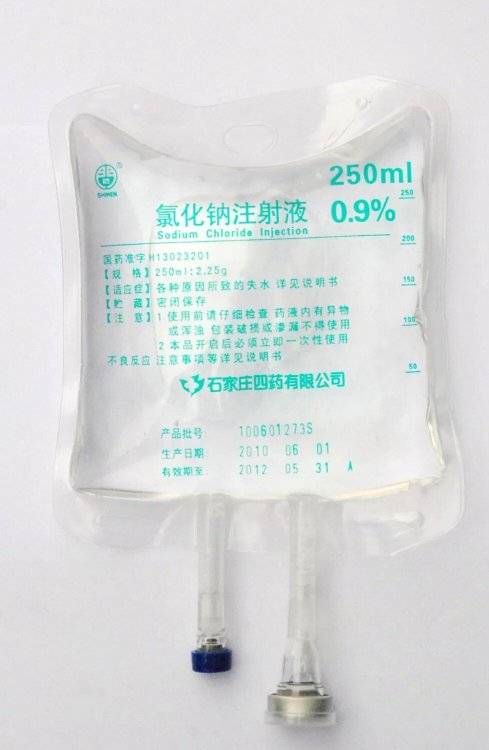
Particulate matter in IV solutions is one of the most scrutinized quality attributes in parenteral manufacturing. It covers both visible particles and subvisible particles across two standard size bins. For international procurement teams, the key question is not only whether a batch "passes" a given pharmacopoeia, but how the manufacturer's control system performs across USP, EP, and BP requirements — and where the differences matter for tender specifications and release testing. SSY Group, through its manufacturing arm Shijiazhuang No.4 Pharmaceutical Co., Ltd., operates one of the world's largest single-site LVP facilities with an annual capacity of 4 billion bottles/bags, and applies a multi-pharmacopoeia approach to particulate control for its SHIMEN brand export products.
1. How do USP, EP and BP compare on particulate matter requirements?
All three pharmacopoeias follow the same general architecture — visible inspection plus subvisible particle counting at ≥10 µm and ≥25 µm — but they differ in numeric thresholds, container-level counting rules, and reporting conventions.
Visible particles: the first line of defense
Visible particles are those detectable by the unaided eye under standardized inspection conditions, typically in the range of approximately 50 µm and above. USP, EP, and BP all require 100% visual inspection of each container before release. The general principle is the same: units with visible foreign matter must be rejected. Where the pharmacopoeias diverge is in the level of procedural detail, lighting specifications, and acceptance criteria for the number of allowable particles per container or per batch.
Subvisible particles: the quantitative test
For subvisible particles, all three compendia recognize two principal methods: light obscuration (the most widely used automated method) and microscopic particle counting (the reference or confirmatory method). Each reports results for the ≥10 µm and ≥25 µm size fractions. The pharmacopoeia particulate matter test for large volume injections is usually performed on a pooled sample or on individual containers, depending on the product presentation and the specific pharmacopoeial chapter.
The table below summarizes the typical framework at a high level. Exact numeric limits are intentionally expressed as order-of-magnitude ranges; always confirm against the current edition of the applicable pharmacopoeia and the registered product specification.
| Parameter | USP <788> | EP 2.9.19 | BP Appendix XIV C |
| Visible particles | 100% inspection; reject units with visible foreign matter | 100% inspection; detailed procedure described | 100% inspection; aligned with EP framework |
| Subvisible ≥10 µm | Typical order of magnitude: several thousand particles per mL | Typical order of magnitude: several thousand particles per mL | Generally consistent with EP levels |
| Subvisible ≥25 µm | Typical order of magnitude: several hundred particles per mL | Typical order of magnitude: several hundred particles per mL | Generally consistent with EP levels |
| Primary method | Light obscuration | Light obscuration | Light obscuration |
| Confirmatory method | Microscopic counting | Microscopic counting | Microscopic counting |
| Reporting basis | Per container or per mL, per chapter rules | Per mL for LVP | Per mL for LVP |
Disclaimer: The values above are qualitative order-of-magnitude descriptions for comparative understanding only. Actual limits, sampling plans, and acceptance criteria must be verified against the current official edition of the applicable pharmacopoeia and the product's registered specification.
Why the differences matter for procurement
A wholesale buyer who sources from a China manufacturer may receive COAs citing different pharmacopoeial references depending on the target market. If your tender says "meet pharmacopoeial standards" without naming the specific pharmacopoeia, you may get inconsistent results across suppliers. For a bulk order intended for multiple markets, specifying "compliance with USP, EP and BP particulate requirements, whichever is stricter" gives you the broadest coverage and reduces the risk of batch rejections at import. SSY Group designs its in-process control and final release specifications to align with the tighter of the major pharmacopoeial limits, so that export batches can serve multiple regulatory channels.
✅ Bottom line: Always specify the pharmacopoeia and method in tender documents; for multi-market sourcing, require the stricter of USP/EP/BP limits.
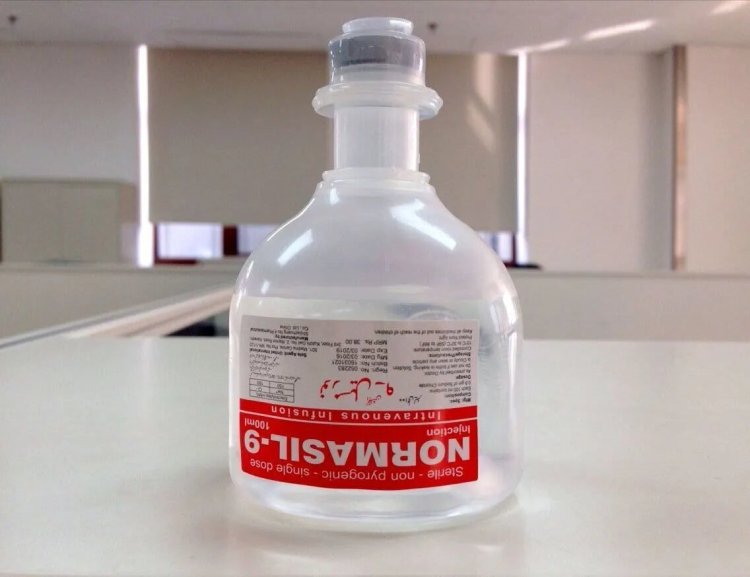
2. What does particulate control reveal about an LVP manufacturer?
A manufacturer's particulate matter performance is a direct indicator of process control, cleanroom discipline, and supply chain maturity — not just a pass/fail test result.
Where particles come from
Particulate matter in IV solutions can originate from multiple sources: raw materials and active pharmaceutical ingredients, packaging components (rubber stoppers, film, containers), the production environment (airborne particles, personnel), and the filling/sealing process itself. A supplier that consistently delivers low particulate counts — well inside pharmacopoeial limits — is usually one that has invested in:
In-house API production and in-house packaging material manufacturing, reducing external contamination risks
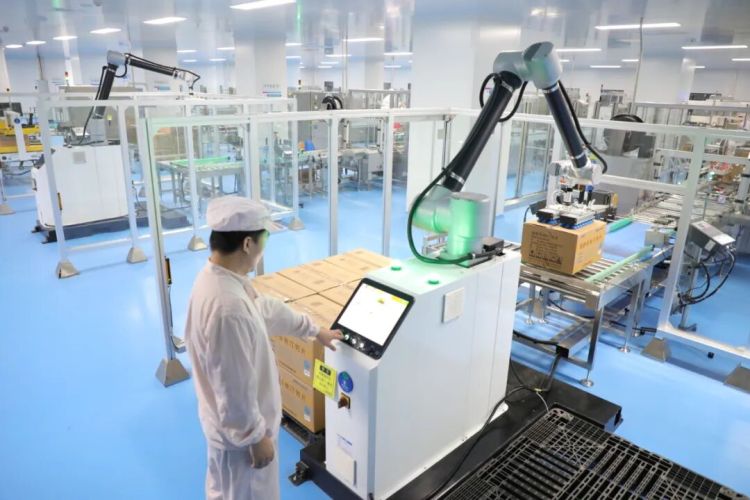
Modern filling lines with automated visual inspection
Strict cleanroom classification and gowning protocols
Robust incoming quality control for every raw material and component
Visible particle and subvisible particle limits in IV solutions are therefore not just release criteria; they are a window into the whole manufacturing system. A factory that controls particulates tightly will typically also perform well on other quality attributes, because the same disciplined systems are in place.
In-house control vs. pharmacopoeial minimums
Pharmacopoeial limits are legal minimums, not quality targets. Leading suppliers set internal action limits and specification limits that are tighter than the compendial requirements. This gives them a safety buffer against normal process variation and reduces the risk of OOS (Out of Specification) results at final release. When you audit a potential custom formulation partner, ask to see their historical particulate data and their internal limits versus the registered limits. A wide gap between internal and compendial limits is a positive sign.
SSY Group's vertically integrated model — in-house API, in-house pharmaceutical packaging materials (rubber stoppers, co-extruded films, tubes), and 78 years of pharmaceutical manufacturing heritage — is specifically designed to control particulate sources at every stage. The SHIMEN brand LVP lines run under NMPA GMP conditions and are certified to ISO 9001, ISO 14001, ISO 45001, and CE, with internal specifications calibrated against particulate matter limits for large volume parenteral USP EP references to support consistent quality for export to over 100 countries and regions.
✅ Bottom line: Use particulate performance as a process-capability proxy; prefer manufacturers with tighter internal limits than pharmacopoeial minima.
FAQ
Q: Which pharmacopoeia has the strictest particulate matter limits for large volume parenteral USP EP comparisons?
A: It depends on the specific size fraction and the container configuration. In general, EP and BP tend to be closely aligned, while USP has slightly different counting rules and reporting bases. For procurement purposes, the safest approach is to specify compliance with all three and accept the most stringent applicable limit. Always verify against the current official edition of each pharmacopoeia.
Q: What is the difference between visible particle and subvisible particle limits in IV solutions?
A: Visible particles are those detectable by visual inspection (commonly around 50 µm and above) and are checked 100% on every container. Subvisible particles are smaller — typically measured at the ≥10 µm and ≥25 µm size bins — and are quantified by instrumental methods on sampled units. Both are critical for patient safety and product quality, but they reflect different aspects of manufacturing control.
Q: How should I interpret the pharmacopoeia particulate matter test for large volume injections on a COA?
A: First, identify which pharmacopoeial chapter and method are cited. Then check whether results are reported per mL, per container, or per vial, because the basis affects direct comparison. Finally, compare the results against both the registered specification and your internal acceptance criteria. If you source from multiple manufacturers, standardize the reporting format to simplify comparison.

Audit your LVP supplier's particulate control with confidence
Request a sample COA package from SSY showing multi-pharmacopoeia particulate data, cleanroom classification, and internal control limits. Our export technical team can walk you through how our vertically integrated manufacturing model — from API to finished LVP — delivers consistent particulate performance for your wholesale and bulk sourcing programs.
Published: November 2026 | By SSY Group Export Technical Team