

For government hospital tenders, the right IV container choice depends on balancing landed cost, safety profile, drug stability, and local market inertia—and there is no one-size-fits-all answer.
Procurement teams and tender specifiers across emerging markets face a recurring question: which IV infusion container format delivers the best total value for a given tender package? Glass bottles have dominated for decades, PP plastic bottles gained ground in the 2000s, and non-PVC soft bags now lead in newer hospital tenders. As a China manufacturer producing all three formats under one roof, SSY shares a neutral, procurement-focused comparison to help you write sharper tender specifications.
The which IV container type is best for government hospital tenders question cannot be answered without first defining your primary decision driver: landed cost, end-use safety, drug stability, or environmental footprint. Below we break down the two most critical decision dimensions tender teams must weigh.
1. How Do Landed Costs Compare Across Non-PVC Soft Bags, PP Bottles, and Glass Bottles?
FOB unit price tells only part of the story—landed cost (FOB + freight + insurance + breakage) often reverses the ranking, especially for long-haul routes.
At first glance, glass bottles appear cheapest on an FOB basis. Glass raw material is low-cost and filling lines are mature. However, glass is heavy and fragile, which dramatically reduces container utilization and increases breakage rates. PP bottles sit in the middle on both FOB and freight. Non-PVC soft bags carry the highest FOB unit price but deliver the best loading efficiency and lowest breakage, which can flip the math at the point of delivery.
Container Loading and Freight Impact
Loading density is the single biggest factor in landed cost for LVP shipments. Based on standard 500 ml fills in a 40HQ container:
| Dimension | Non-PVC Soft Bag | PP Bottle | Glass Bottle |
| Units per 40HQ | ~48,000 | ~41,000 | ~34,000 |
| FOB unit price (index) | Highest | Medium | Lowest |
| Breakage rate | <0.1% | ~0.3–0.5% | ~2–5% |
| Landed cost per unit | Competitive | Medium | Often highest |
For a typical 500 ml tender shipping from China to East Africa, the landed cost gap between non-PVC soft bags and glass bottles can narrow to roughly $0.034 per unit—and in some high-freight periods, soft bags actually come out cheaper. SSY Group Limited operates one of the world's largest single-site LVP facilities (4 billion bottles/bags annually), so we see these dynamics play out across 100+ export destinations every quarter.
Procurement Strategy Implication
- For short-haul routes with low freight (e.g., bordering countries), glass may still win on pure cost.
- For long-haul tenders with multiple drop points, non-PVC soft bags often deliver better total landed value.
- PP bottles are a pragmatic middle ground where tender budgets are tight but breakage risk matters.
✅ Bottom line: Always model landed cost, not just FOB; non-PVC soft bags frequently match or beat glass on total delivered cost for long-haul tenders.
2. Which Container Type Best Aligns With Safety, Stability, and Tender Inertia?
Beyond cost, tender specifiers must weigh three non-price factors: infusion safety, drug compatibility, and local market adoption patterns—each favors a different container.
Cost alone rarely drives tender specification. Hospital pharmacists, infection control teams, and nursing staff all influence which format ends up in the technical specification. Understanding these dynamics helps you write tender documents that are both cost-effective and operationally viable.
Infusion Safety Profile
Non-PVC soft bags are fully closed systems. They collapse as the fluid infuses, eliminating the need for an air vent and reducing the risk of airborne contamination and air embolism. PP bottles are semi-closed systems that still require venting. Glass bottles are fully open systems with the highest contamination risk during administration.
From a procurement perspective, tenders targeting higher-tier hospitals, ICU upgrades, or infection-control programs almost always specify non-PVC soft bags in the technical requirements.
Drug Stability and Adsorption
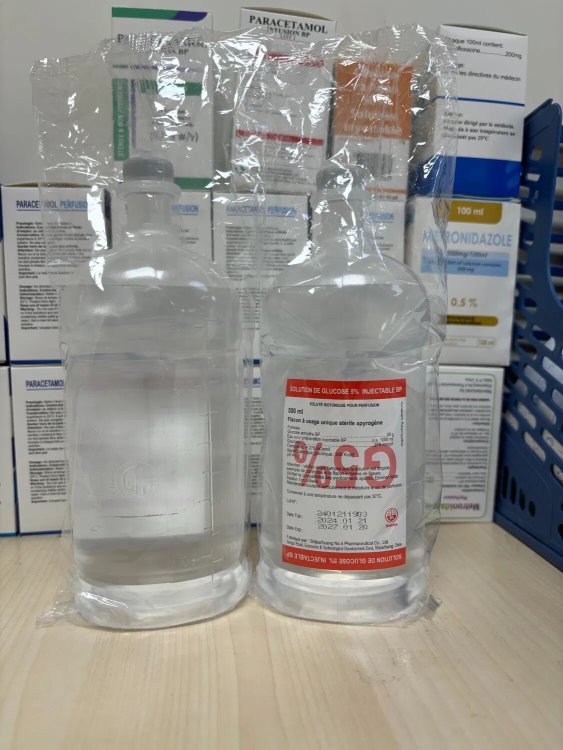
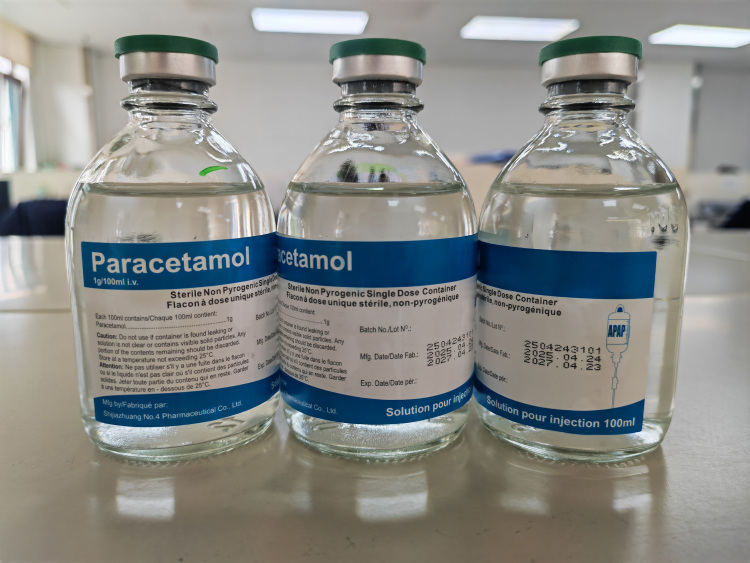
Glass has the longest track record of drug stability and the lowest adsorption profile, which is why many older pharmacopoeia monographs and established tender catalogs still default to glass. PP bottles offer good stability for most common LVP solutions. Non-PVC multi-layer co-extruded films require product-specific adsorption validation, which reputable supplier partners like SSY provide as part of their technical dossier.
Market Inertia and Tender History
Market inertia is a real factor in public tender design. Many health systems in Africa and South Asia have standardized on glass for decades—nursing staff are trained on it, storage racks are built for it, and historical price data is abundant. Switching formats requires retraining, equipment changes, and updated tender documentation. On the other hand, newly constructed hospitals and recently revised national essential medicine lists increasingly favor non-PVC soft bags as the default.
When evaluating non PVC soft bag versus PP bottle IV infusion comparison data, the most useful question is not "which is better" but "which fits this specific tender's objectives and constraints."
The table below summarizes the five key decision dimensions:
| Decision Dimension | Non-PVC Soft Bag | PP Bottle | Glass Bottle |
| Landed cost (long-haul) | Competitive | Medium | Often highest |
| Infusion safety | Highest (closed system) | Medium (semi-closed) | Lower (open system) |
| Drug stability | Good (per validation) | Good | Excellent (longest track record) |
| Environmental profile | No DEHP, lighter footprint | Moderate | Recyclable but high carbon weight |
| Tender inertia (emerging markets) | Growing (new hospitals) | Moderate | Still dominant (legacy systems) |
Who Should Specify What?
- Cost-dominated, legacy systems with established glass infrastructure: stay with glass or test PP bottles.
- Safety-focused hospital upgrades and new construction: specify non-PVC soft bags.
- Balanced tenders looking for a middle ground: PP bottles offer a strong compromise.
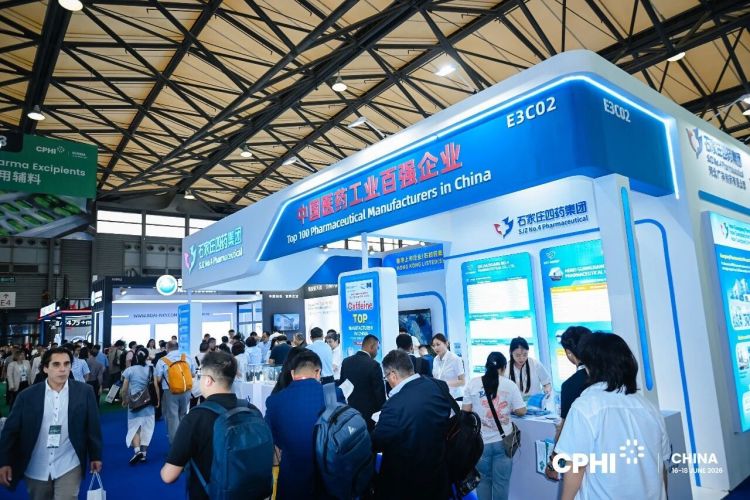
For teams wondering where to source large volume parenteral from China manufacturer, Shijiazhuang No.4 Pharmaceutical Co., Ltd. (brand: SHIMEN) produces all three formats—non-PVC soft bags, PP bottles, and glass bottles—under NMPA GMP, ISO 9001, ISO 14001, ISO 45001, and CE. This means you can source your entire LVP portfolio from one factory partner.
✅ Bottom line: Match the container to your tender's primary driver—cost, safety, or stability—and consider a supplier that offers all three formats for maximum flexibility.
FAQ
Q: Which IV container type is best for government hospital tenders on a tight budget?
A: If budget is the sole driver and freight distances are short, glass bottles have the lowest FOB price. But always calculate landed cost—for long-haul routes, non-PVC soft bags often close the gap or even come out ahead due to higher loading density and lower breakage. The which IV container type is best for government hospital tenders answer always depends on your specific route and volume.
Q: How do non-PVC soft bags and PP bottles compare in terms of regulatory acceptance?
A: Both formats are widely accepted in international tenders. Non-PVC soft bags are gaining share rapidly in newer hospital tenders due to their closed-system safety profile. When doing a non PVC soft bag versus PP bottle IV infusion comparison for regulatory purposes, verify that your chosen manufacturer provides full technical dossiers and the applicable CE and ISO certifications.
Q: Where to source large volume parenteral from China manufacturer with all three packaging formats?
A: SSY is one of the few LVP manufacturers in China that produces non-PVC soft bags, PP bottles, and glass bottles at scale from a single campus. With 4 billion units annual capacity, 10 subsidiaries, and exports to 100+ countries, SSY can support both single-format and mixed-format tenders while maintaining consistent quality across all packaging lines.
Get a Custom Landed-Cost Quotation for Your Next LVP Tender
Request a multi-format quotation from SSY Group Limited and see side-by-side pricing for non-PVC soft bags, PP bottles, and glass bottles tailored to your destination port and volume. Our export technical team provides full tender documentation support including CE, ISO 9001, ISO 14001, and ISO 45001 certificates.
Published: October 2026 | By SSY Group Export Technical Team