
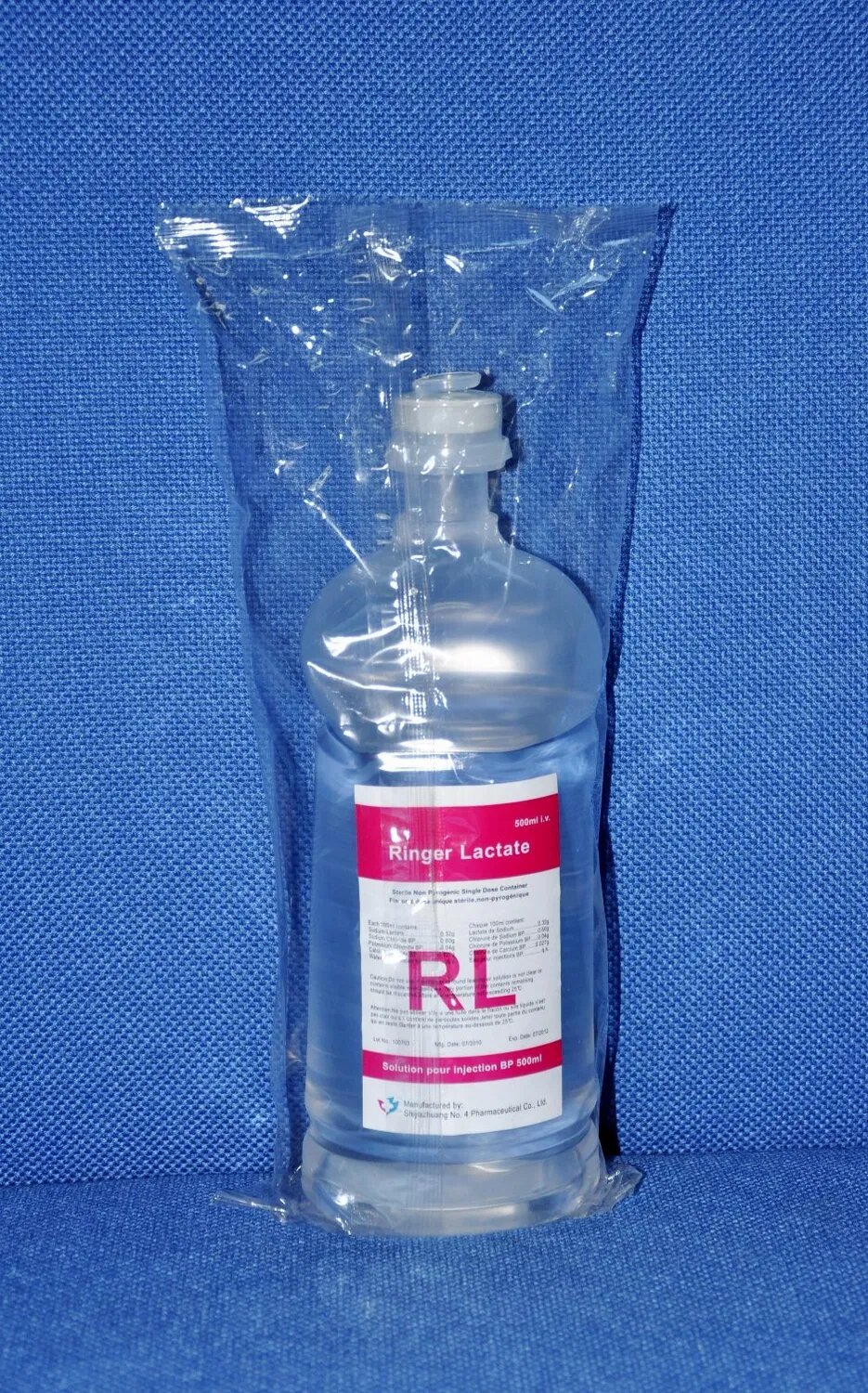
For most hospital tender categories, non-PVC soft bags deliver a lower total cost of ownership than glass or PP bottles despite a 20–35% higher FOB unit price. Procurement teams that only compare the per-unit sticker price routinely miss freight, breakage, and handling savings that flip the economics. This guide walks tender decision-makers through a structured TCO analysis so you can justify — or challenge — is non PVC soft bag worth the higher price per unit with hard numbers. We draw on production and logistics data from SSY Group Limited, one of China's largest LVP manufacturers with 4 billion units annual output, to ground the comparison.
1. How does total cost of ownership change when you switch from glass/PP to non-PVC soft bags?
The landed cost per unit of non-PVC soft bags is often equal to or lower than glass bottles because container-fill efficiency and lower breakage offset the FOB premium. Procurement teams historically compare only the ex-factory price, which makes soft bags look 20–35% more expensive. A proper TCO calculation adds freight, insurance, breakage replacement, warehousing, and inbound handling — and on those dimensions soft bags win decisively. Below is a side-by-side comparison using typical 500 ml baseline data.
Container-load efficiency: the single biggest TCO lever
Non-PVC soft bags collapse flat when empty and nest efficiently when filled. A 40HQ container holds approximately 48,000 units of 500 ml non-PVC soft-bag IV solution, versus roughly 34,000 glass bottles of the same fill volume — a 35–40% increase in units per container. On a $3,000 ocean freight leg, that alone reduces per-unit freight from about $0.088 to $0.063, a $0.025 per-bag saving that already absorbs a meaningful slice of the FOB gap. PP plastic bottles sit between the two, typically loading around 40,000 units per 40HQ.
Breakage, waste, and replacement cost
Glass bottles break. Industry experience places in-transit and handling breakage at 0.5–1.5% for glass, depending on route and handling quality. Non-PVC soft bags, by contrast, report breakage below 0.2% because the flexible film absorbs impact. For a 100,000-unit order, the glass breakage loss alone can equal 500–1,500 units of product plus the freight and handling cost of replacing them. Soft bags essentially eliminate this line item.
Warehousing and handling
Soft bags weigh roughly 20–25% less per filled unit than glass bottles. That means lower forklift cost, less pallet wear, and higher-density racking. For stores receiving hundreds of thousands of units yearly, labor and space savings compound.
| Cost dimension | Glass bottle (500 ml) | Non-PVC soft bag (500 ml) |
| FOB unit price (indexed) | 1.00 (baseline) | 1.20–1.35 |
| Units per 40HQ | ~34,000 | ~48,000 |
| Per-unit freight share | 1.00 (baseline) | ~0.70 |
| In-transit breakage rate | 0.5–1.5% | < 0.2% |
| Weight per unit (filled) | Heavier (glass + liquid) | ~20–25% lighter |
| Estimated landed cost per unit | 1.00 (baseline) | ~0.95–1.02 |
The exact math depends on your freight lane, but the direction is consistent: the soft-bag premium shrinks or disappears at landed cost. The non PVC soft bag IV solution price premium justification rests on this TCO math, not vague quality claims. For buyers asking is non PVC soft bag worth the higher price per unit, run a landed-cost calculation first. For bulk buyers sourcing from a non PVC IV bag manufacturer China wholesale factory price list, this is the first exercise before rejecting soft bags on FOB price alone.
✅ Bottom line: Always calculate landed cost per unit — the FOB premium almost always shrinks or reverses once freight and breakage are included.
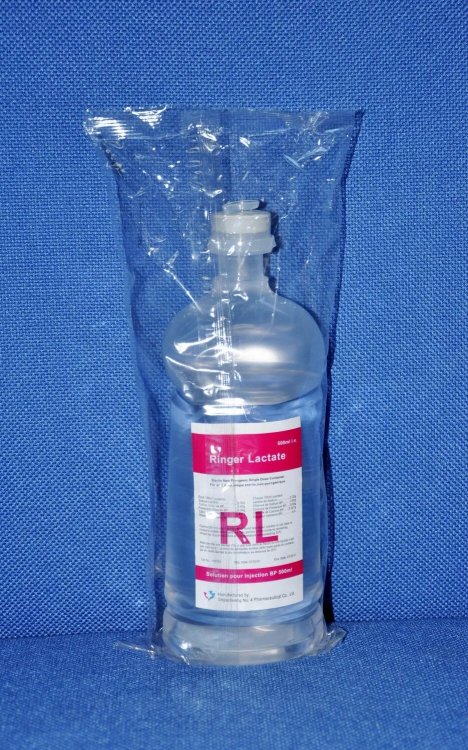
2. In which tender categories does the non-PVC premium actually improve technical scores?
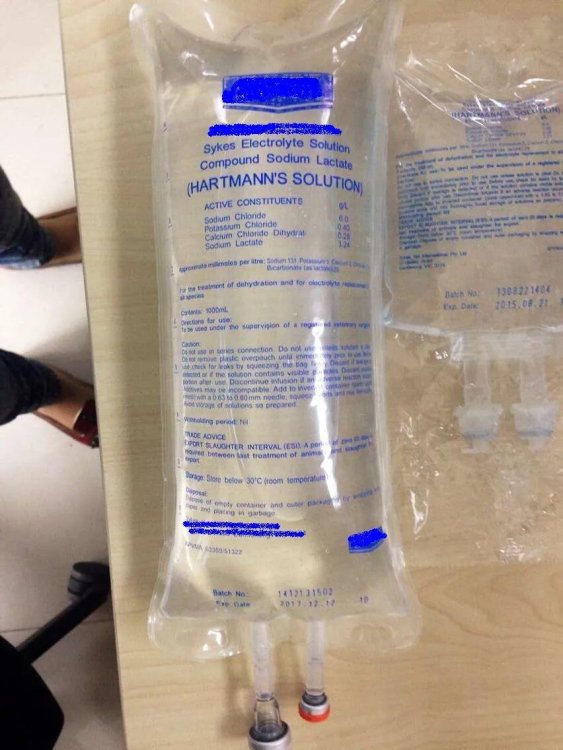
Non-PVC soft bags consistently score higher on technical evaluation criteria related to administration safety, environmental profile, and DEHP-free status, making the premium easy to justify in high-acuity and modern-procurement tenders. Tender evaluation is not only about price; most public and hospital tenders weight technical quality at 40–60% of the total score. Soft bags carry inherent advantages on several scored dimensions that directly translate into points.
Closed-system administration and contamination risk
Non-PVC soft bags are fully collapsible and work as a closed system — no air vent needle is required during infusion. This is a standard line item in technical scoring for hospital pharmacy tenders, especially for ICU, emergency department, and oncology categories where minimizing infusion-related contamination risk is a stated evaluation criterion. Glass and rigid PP bottles require air admission, which introduces ambient particulates and is scored lower on safety dimensions.
DEHP-free and environmental compliance
Traditional PVC bags use DEHP as a plasticizer. Non-PVC materials (typically polypropylene or multi-layer co-extruded films) are DEHP-free by design. An increasing number of national health systems and hospital groups now include DEHP-free status as either a mandatory requirement or a scored bonus in tenders. SSY, as a vertically integrated manufacturer that produces its own co-extruded film and rubber stoppers in-house, controls the entire material chain and can confirm DEHP-free composition with full traceability.
Where the premium is justified — and where it is not
| Tender category | Non-PVC premium justified? | Why |
| Tertiary hospital / ICU / ED | Yes | Safety and closed-system scores carry high technical weight |
| National / regional hospital tender with ESG criteria | Yes | DEHP-free and lighter carbon footprint score as bonus points |
| Primary care / rural clinic bulk reserve | Often no | Budget weight dominates; glass or PP bottles offer lower FOB |
| Disaster relief / emergency stockpile | Depends | Soft bags' portability and breakage resistance can be decisive |
The rule of thumb is simple: if the tender weights technical quality at 40% or more and includes safety or environmental scoring lines, soft bags will almost always improve overall score enough to offset the unit-price gap. The non PVC soft bag IV solution price premium justification becomes self-evident when you map each technical criterion to a scored point value. Working with an experienced non PVC IV bag manufacturer China wholesale factory price partner like SSY gives you access to the full data set — loading plans, breakage history, certificate packages — needed to build a strong technical bid. Shijiazhuang No.4 Pharmaceutical Co., Ltd., operating under the SHIMEN brand, supplies over 100 countries and regularly supports distributors building tender dossiers for both soft-bag and glass-bottle LVP categories.
✅ Bottom line: Specify non-PVC soft bags in tenders where technical/safety scoring is weighted at 40% or higher; choose PP or glass for budget-dominant bulk tenders.
FAQ
Q: How do I build a quick business case for switching a tender to non-PVC soft bags?
A: Start with three numbers. First, get the FOB price delta from your supplier. Second, calculate the freight-per-unit difference using container-load counts (typically a 30–40% gain for soft bags). Third, add the breakage-cost difference (0.5–1.5% for glass vs under 0.2% for soft bags). The sum tells you whether the landed cost is higher or lower. Then layer in technical-score points from the tender document to see if the premium is justified. If you are still wondering is non PVC soft bag worth the higher price per unit, a competent factory can run a custom TCO for your specific lane and product mix.
Q: Are non-PVC soft bags compatible with all common IV solutions?
A: Yes, non-PVC multi-layer films are compatible with the full range of common large-volume parenteral solutions — 0.9% sodium chloride, 5% dextrose, Ringer's lactate, mannitol, and similar standard formulations — when produced according to applicable pharmacopeia requirements. Always confirm compatibility with the specific drug or additive you plan to administer, and follow current pharmacopeia guidelines and your institution's admixture policy.
Q: Can a single China-based manufacturer supply all three packaging formats so I can compare in one tender?
A: Yes. SSY Group Limited produces all three primary LVP packaging formats — non-PVC soft bags, PP plastic bottles, and glass bottles — from a single integrated campus in Shijiazhuang, with a combined annual capacity of 4 billion units. This allows wholesale and tender buyers to run head-to-head TCO comparisons and format-switch tests without managing multiple supplier relationships.
Get a format-specific TCO calculation for your next tender
Request a free, no-obligation total-cost-of-ownership comparison for your next LVP tender. The SSY export technical team will prepare a side-by-side landed-cost model based on your destination port, order volume, and product mix, plus a technical-score checklist mapped to your tender evaluation criteria.
Published: November 2026 | By SSY Group Export Technical Team