
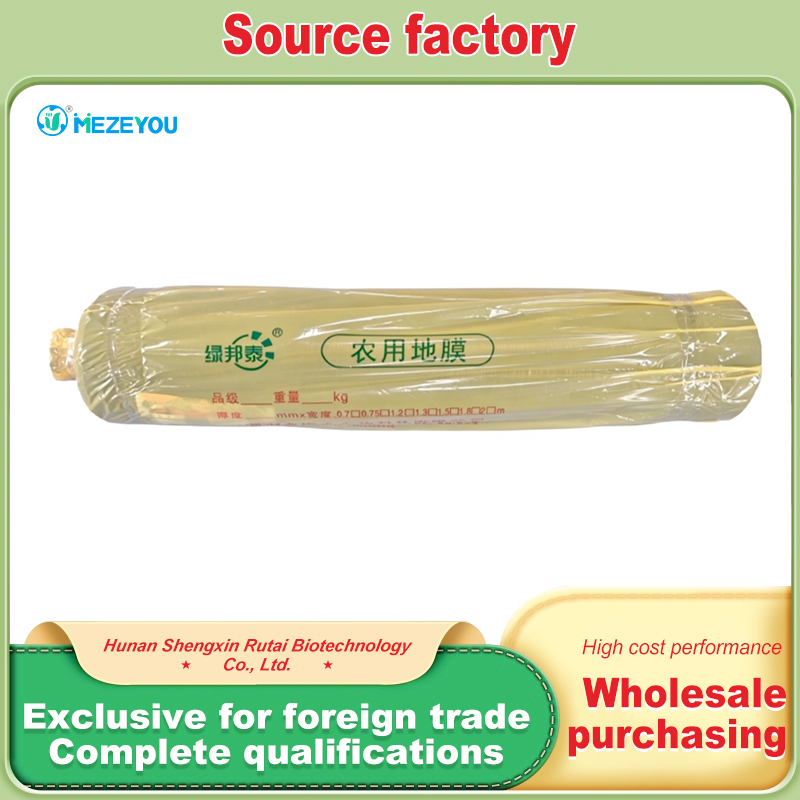
1. Silver vs Black Film for Pepper Virus Control: How Well Does Reflective Mulch Work?
Silver reflective mulch film for pepper aphid and whitefly control reduces landings by 30–70% in trials, and the mechanism is simple: the metallized surface bounces UV light back into the sky, and aphids steering by UV reflectance lose the visual cue that tells them a host plant is below. That is why the effect is strongest over open beds and fades as the canopy closes over the plastic.
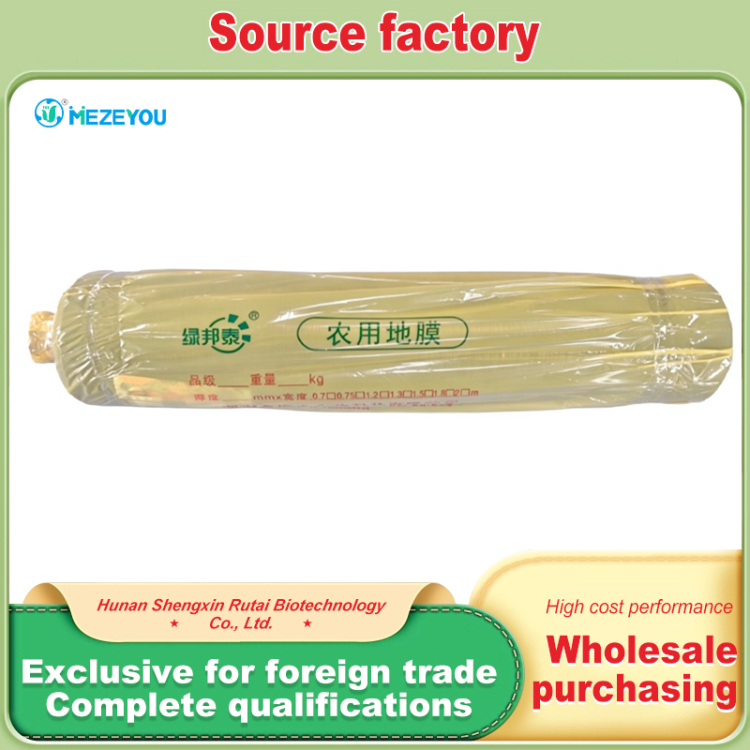
What silver film controls — and what it does not
Reflective film is an insect-behaviour tool, not an insecticide. It changes where aphids and whiteflies land, so it lowers the number of virus transmission events early in the season. It does nothing to pests already in the field, and it does nothing to thrips, which vector tomato spotted wilt virus in peppers.
|
Target |
Effect of silver film |
Practical note |
|
Aphids (green peach, melon) |
30–70% fewer landings |
Strongest weeks 1–8, before canopy closure |
|
Whiteflies (Bemisia tabaci) |
30–55% fewer adults |
Helps against leaf-curl viruses |
|
Thrips (TSWV vector) |
Little to no effect |
Keep a spray or UV-blocking program |
|
Weeds |
90%+ with black underside |
Requires co-extruded silver-black, not silver alone |
|
Fruit sunburn |
Modest reduction |
Reflected light reaches lower canopy |
The one mistake buyers make is ordering plain silver film to save cost. Silver on its own transmits light, so weeds grow underneath and the weed pressure erases any virus benefit by week five. Shengxin Rutai co-extrudes the silver layer over a black core so a single roll delivers reflection on top and 90%+ weed suppression below.
Field geometry decides how much reflection you actually get
Two fields can use identical film and see different results:
- Film-to-bare-ground ratio — wide beds with narrow bare strips reflect more light into the canopy than narrow beds on wide bare middles.
- Canopy timing — once leaves cover the plastic, reflection stops; the benefit is front-loaded, not season-long.
- Dust and irrigation residue — a coated film reflects far less; overhead irrigation and dusty wind reduce performance.
- Row direction — north-south rows keep sun on the film through more of the day than east-west rows.
- Planting date — early plantings face the first aphid flight with open beds, which is where silver earns its premium.
If the question is simply the best mulch color for chilli pepper virus prevention, the honest answer is silver-black: silver for the vector, black for the weeds, and no single-color film delivers both. Shengxin Rutai also runs white-on-black for growers in extreme heat, where extra bed cooling matters more than reflectance.
✅ Bottom line: Silver film buys an early-season virus window, not season-long pest control, so specify co-extruded silver-black and keep a thrips program.
2. What Is the Return on Investment of Mulch Film for Pepper Farming?
Mulch film return on investment for pepper farming typically runs between 3:1 and 6:1 in the first season — about $300 per acre of film and laying cost against $900–1,700 in added marketable yield, avoided sprays and earliness premiums. The return is not evenly distributed: it concentrates in early plantings, in virus-prone regions, and in blocks where labour for hand-weeding is scarce or expensive.
The per-acre arithmetic
Take a 1.1 m row spacing, 25-micron silver-black film at 1.2 m width, and a 4–5 month pepper season. That works out to about 100 kg of film per acre.
|
Line item |
Typical range per acre |
|
Film (≈100 kg at $2.20–2.80/kg) |
$220–280 |
|
Laying and bed forming labour |
$60–90 |
|
Early-season sprays avoided (2–4) |
−$70–160 |
|
Marketable yield gain (10–20%) |
−$700–1,200 |
|
Earliness premium on first picks |
−$100–300 |
|
Net first-season gain |
≈$500–1,300 |
Two things move that number more than anything else. First, virus pressure: in a bad aphid year, reflective film protects 20–40% of the crop that would otherwise be lost, and that single effect dwarfs the film cost. Second, market price at first harvest — early peppers often clear 20–40% above mid-season prices, which is why the earliness line matters as much as yield.
Where the return quietly disappears
- Under-spec film — 20-micron rolls tear at the crown under fruit load, and a torn bed is a weed bed for the rest of the season.
- Wrong width — film that leaves no material for edge burial lifts in wind within days.
- No virus pressure — in cool, dry, aphid-light regions, silver's premium buys little; plain black is the better buy.
- Thrips-dominated virus — TSWV is not controlled by reflectance, so budget insecticide either way.
- Late planting — beds that can close canopy in three weeks get a short reflection window.
The spec that protects the return
Order 25–30 micron (1.0–1.25 mil) silver-black co-extruded film, width = bed + 2 × 15 cm burial, UV life of 4–6 months stated in writing, and a thickness tolerance of ±5% or better. Ask any mulch film factory quoting you to put gauge tolerance on the spec sheet — a ±10% roll on 25 micron means 22.5-micron thin spots, and those fail first.
✅ Bottom line: Silver-black film delivers roughly $3–6 of benefit per $1 spent in season one, provided the roll is 25–30 micron and wide enough for edge burial.
FAQ
Q: Is silver reflective mulch film for pepper aphid and whitefly control enough on its own, or do I still need sprays? A: It reduces landings, not populations already present, so most programs keep a scouting-based spray threshold — especially for thrips. Many growers cut two to four early aphid sprays, not the whole program.
Q: How do I calculate mulch film return on investment for pepper farming on my own costs? A: Multiply your expected marketable yield by the yield gain and your first-pick price, add the sprays you expect to skip, then subtract film plus laying cost. Shengxin Rutai will run the calculation against your row spacing and price per kg on request.
Q: Which is the best mulch color for chilli pepper virus prevention in a hot, high-whitefly region? A: Silver-black. White-on-black cools beds further but reflects less UV, and plain black offers no vector control at all. For custom widths and wholesale roll quantities, Shengxin Rutai confirms slit width and perforation against your bed drawing before production.
CTA: Get a Virus-Control Film Spec and ROI Sheet
Send Shengxin Rutai your row spacing, planting window, virus history and target market, and you will receive a film recommendation with an ROI calculation for your acreage within 24 hours — free. Hunan Shengxin Rutai Biotechnology Co., Ltd. extrudes PE film in-house, holds ±5% on gauge, and supports OEM core labelling and custom perforation from 1-ton trial orders upward.
|
|
|
|
*Published: October 2026 |
By Shengxin Rutai Agricultural Film Team* |