
Introduction
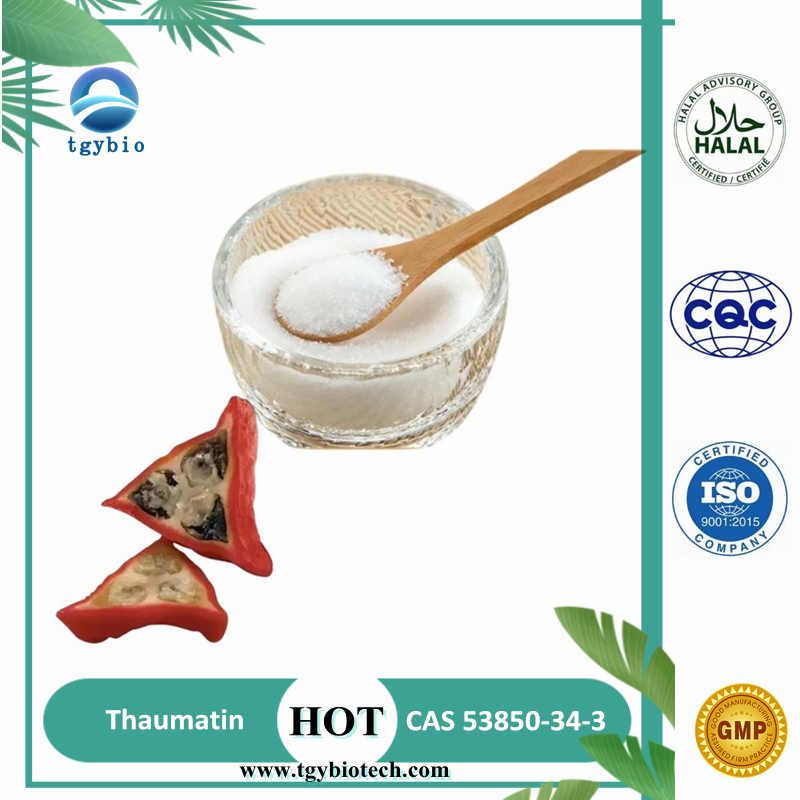
Thaumatin is a natural sweetener derived from the katemfe fruit (Thaumatococcus daniellii), native to West Africa. Known for its intense sweetness-up to 3,000 times sweeter than sucrose-it is used in various food products to enhance flavor. But is thaumatin safe? This article delves into the safety profile of thaumatin from multiple perspectives to provide a clear and comprehensive understanding.
Scientific Research and Safety Approval
Regulatory Approvals
Thaumatin has been extensively studied and approved by several major regulatory bodies:
- U.S. Food and Drug Administration (FDA): Recognized as Generally Recognized As Safe (GRAS) since 1984.
- European Food Safety Authority (EFSA): Approved for use as a sweetener and flavor enhancer.
- World Health Organization (WHO): Endorsed as safe with no established Acceptable Daily Intake (ADI), indicating low toxicity.
Toxicological Studies
Toxicological evaluations have consistently shown that thaumatin is non-toxic and does not pose health risks when consumed within typical dietary amounts. Long-term studies on animals have demonstrated no carcinogenic, mutagenic, or teratogenic effects, reinforcing its safety for human consumption.
Health Benefits
Low-Calorie and Non-Glycemic
One of the primary benefits of thaumatin is its low-calorie content, making it an excellent choice for weight management. Additionally, thaumatin does not raise blood glucose levels, making it suitable for diabetics and those monitoring their carbohydrate intake.
Natural Origin
Unlike many artificial sweeteners, thaumatin is a natural product. Derived from a fruit, it appeals to consumers seeking natural alternatives to synthetic sweeteners, aligning with the growing trend towards clean eating and natural foods.
Consumer Perspectives
Thaumatin is not only intensely sweet but also enhances flavors, often used in conjunction with other sweeteners to mask bitterness and improve overall taste profiles in products such as confectionery, dairy, and beverages. Its ability to blend seamlessly without any metallic aftertaste makes it popular among consumers.
Thaumatin's stability under heat and acidic conditions means it can be used in a wide range of products, from baked goods to carbonated drinks. This versatility adds to its appeal for both manufacturers and consumers looking for a reliable and flexible sweetening option.
Taste Profile
Versatility in Use
Environmental and Ethical Considerations
Sustainable Sourcing
The katemfe fruit, from which thaumatin is extracted, is harvested sustainably in West Africa, providing economic benefits to local communities. This ethical sourcing adds an extra layer of appeal for environmentally conscious consumers who prioritize sustainable products.
Non-GMO
Thaumatin is a non-genetically modified organism (GMO), appealing to segments of the market that are cautious about genetically engineered products. This feature assures consumers of its natural origin and purity.
Conclusion
Encouraging Safe Consumption
Given the robust scientific evidence, regulatory approvals, and positive consumer feedback, thaumatin stands out as a safe and beneficial sweetener. It offers a natural, low-calorie alternative to traditional sugars and artificial sweeteners, meeting the needs of health-conscious consumers while maintaining great taste and versatility.
Final Thoughts
For consumers looking to reduce calorie intake without sacrificing sweetness, thaumatin presents an excellent option. Its safety, backed by significant research and regulatory endorsements, combined with its health benefits and natural origin, make it a compelling choice. When selecting a sweetener that aligns with both health goals and ethical considerations, thaumatin emerges as a top contender.
By incorporating thaumatin into your diet, you can enjoy the sweetness you crave while supporting sustainable practices and contributing to better health outcomes.