Introduction
Hydrating facial serum remains one of the best-selling staple skincare items for retailers, salon suppliers and private label brands worldwide. In 2026, the wholesale landscape of hydrating serum is reshaped by evolving consumer preferences, stricter cosmetic regulations, sustainable packaging requirements and upgraded formulation technologies. Bulk buyers from Europe, North America, Southeast Asia and the Middle East are adjusting their procurement strategies to match the new market demands.
Unlike previous years when simple hyaluronic acid serum dominated the wholesale market, modern shoppers now expect multi-functional, skin-friendly formulas. For B2B importers, distributors and private label operators, keeping up with these wholesale trends is critical to selecting competitive stock and reducing inventory risks.
1. Formulation Trend: Multi-Action Hydrating Serums & New Popular Actives
Single-ingredient hyaluronic acid products are no longer enough to stand out in crowded shelves. The hottest wholesale hydrating serum formulas in 2026 combine multi-molecular hyaluronic acid with other complementary active ingredients to achieve layered hydration and skin barrier protection.
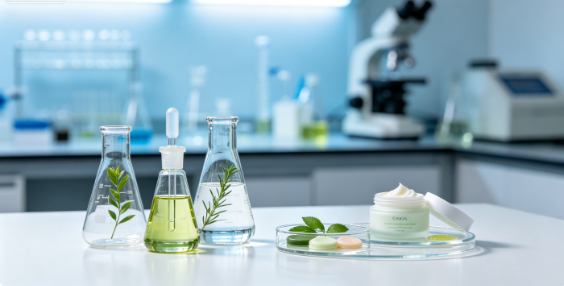
Polyglutamic acid (PGA) is a fast-rising star ingredient. Many formulators blend PGA with hyaluronic acid, as PGA can lock more moisture on the skin surface for longer-lasting hydration. Centella asiatica extract, ceramides and ectoine are widely added for sensitive skin-friendly hydration, meeting the booming demand for barrier-repair skincare.
Another obvious shift is skinimalism. Consumers prefer lightweight, non-greasy serum textures that fit daily skincare routines. Wholesale buyers are increasingly ordering oil-free, fast-absorbing hydrating serums suitable for oily, combination and sensitive skin types, instead of heavy sticky formulas.
2. Clean Beauty & Transparency Become Non-Negotiable for Bulk Orders
2026 sees clean beauty requirements moving from premium niche markets into mainstream wholesale procurement. Global buyers pay close attention to ingredient lists: paraben-free, sulfate-free, cruelty-free, alcohol-free formulas gain priority when placing bulk orders.
Buyers also request full documentation, including ingredient safety data, MSDS and compliance certificates for their target selling regions. EU, UK and US markets enforce tighter cosmetic labelling rules. Suppliers that can provide complete compliance files will win more long-term wholesale and private label contracts.
3. Sustainable Packaging Is a Key Differentiator
Sustainability is no longer just a marketing gimmick. It has become a core factor affecting bulk purchasing decisions. More retailers choose hydrating serums with recyclable glass bottles, refillable containers and FSC-certified packaging. Plastic reduction and minimal packaging designs are popular requests for OEM & ODM projects.
Many small and medium beauty brands avoid over-decorated packaging to cut costs and reduce carbon footprint. For wholesale suppliers, offering flexible packaging options — from standard stock bottles to custom eco-friendly packaging — helps attract diverse B2B clients.
4. OEM & ODM Private Label Demand Continues to Surge
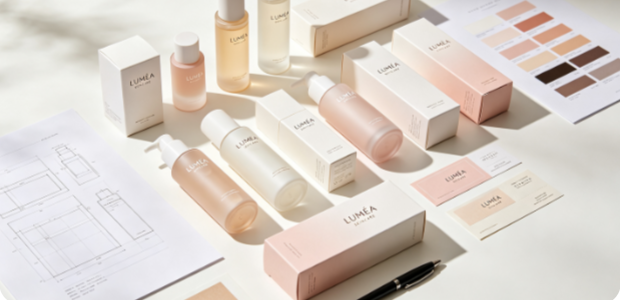
Private label hydrating serum orders keep growing in 2026. Many beauty retailers, spa chains and online store owners want to launch their own branded hydrating serums without building their own production lines.
Bulk buyers are looking for suppliers with flexible MOQ solutions. Some startup brands need low minimum order quantities for test market launches, while large distributors place high-volume orders with custom formula tweaks. Custom scent, custom colour and personalised label printing are common customisation requirements.
5. Regional Market Differences for Wholesale Buyers
- Europe & UK: Strict cosmetic compliance is the top priority. Sensitive skin, clean beauty and recyclable packaging are major selling points.
- North America: Great demand for multi-functional hydrating serums, including anti-pollution and blue-light protection variants.
- Southeast Asia & Middle East: High demand for affordable lightweight hydrating serums suitable for hot and humid climates. Large-volume orders are common.
6. Tips for Bulk Hydrating Serum Sourcing in 2026
- Prioritise formulas with proven safety records and complete compliance documents for your target sales country.
- Balance formula performance and cost. Multi-active serums bring higher profit margins, but simple hyaluronic acid serums remain steady sellers.
- Test samples before bulk production. Conduct shelf-life and stability tests to avoid product deterioration during long sea shipping.
- Negotiate flexible MOQ with manufacturers for test orders, especially if you plan to launch new private label skincare lines.
- Optimise packaging to reduce shipping weight, which helps cut logistics cost for bulk shipments.
Conclusion
The 2026 hydrating serum wholesale market balances classic bestsellers and innovative new formulations. Multi-layer hydration, skin barrier care, clean ingredients and sustainable packaging are the core trends. For global bulk buyers, partnering with reliable cosmetic manufacturers that support both ready stock wholesale and flexible OEM/ODM services will help seize market opportunities in this booming skincare category.