
A New Growth Engine for the Global Health Food Industry
Functional mushrooms have become one of the most exciting categories in the global health food industry. Industry forecasts have pointed to a global edible mushroom food market of approximately USD 182 billion by 2025, and the center of gravity is shifting rapidly—from traditional agricultural commodities to high-value functional health foods.
This is not simply a new ingredient trend. It is a structural change in how consumers, brands, and manufacturers think about mushrooms. Instead of selling “a pound of mushrooms,” the industry is increasingly selling “a portion of health.”

1. From Commodity to Functional Wellness
Historically, mushrooms were positioned mainly as fresh produce, dried ingredients, or basic food materials. Today, they are being reimagined as:
Functional food ingredients
Dietary supplement actives
Beverage components
Cognitive and immune health solutions
Natural sources of vitamins and antioxidants
The value chain is stretching. Fresh and dried mushrooms still matter, but the fastest growth is coming from extracts, standardized powders, functional blends, and finished consumer products.

2. Global Innovation: Mushrooms in Everyday Formats
Overseas brands are already turning functional mushrooms into convenient, daily-use products.
Mushroom Coffee
Four Sigmatic helped popularize mushroom coffee by combining coffee with mushroom extracts. A typical cup may contain around 40 mg of caffeine, offering a gentler lift than traditional coffee while adding functional nutritional value.
Sparkling Energy Drinks
Odyssey Elixirs launched sparkling energy drinks featuring concentrated adaptogenic mushrooms. The active compounds are claimed to be up to eight times more concentrated than dried mushrooms, making the format attractive to younger consumers who want energy with a functional twist.
Brain Health Beverages
M&S (Marks & Spencer) introduced a mushroom-based brain health drink containing ingredients such as Lion’s Mane and Reishi, targeting the growing cognitive wellness category.
Seven-Mushroom Coffee Blends
Z Natural Foods launched a line of seven mushroom coffees, combining organic coffee powder with seven mushroom extracts. The result is a flavorful, convenient beverage with added nutritional value.
These examples show that functional mushrooms are no longer limited to capsules or tablets. They are moving into coffee, sparkling drinks, ready-to-drink beverages, snacks, and daily wellness products.

3. Market Proof: Lessons from China
China offers strong evidence of consumer acceptance.
Hericium Erinaceus Biscuits
Jiangzhong Pharmaceutical positioned its Hericium erinaceus biscuits around “stomach care.” At its peak, annual sales reached approximately RMB 1.5 billion, proving that consumers are willing to accept mushroom-based functional foods when the benefit is clear and the format is familiar.
Shiitake Vitamin D Fortification
Shiitake mushrooms contain ergosterol, which can convert to vitamin D under UV light. This principle has been used to create natural vitamin D fortification ingredients for the food industry. It is a strong example of how mushroom functionality can be integrated into mainstream food processing.
These cases show that functional mushrooms work best when they fit into everyday consumption habits—not when they feel like medicine.

4. Why Functional Mushrooms Are Winning
Consumer demand is being driven by several long-term forces:
Aging populations and growing interest in healthy aging
Rising sub-health concerns and preventive health awareness
Plant-based and sustainable nutrition trends
Demand for natural immune and stress support
Interest in nootropics and cognitive wellness
Mushrooms contain valuable bioactive compounds, including:
Polysaccharides
Beta-glucans
Terpenoids
Ergothioneine
Amino acids and nucleotides
These compounds are associated with immune modulation, antioxidant activity, blood sugar and lipid support, and overall wellness. Mushrooms are also vegetarian-friendly, sustainable, and aligned with global plant-based diets.
For ingredient suppliers and brands, this means higher added value and a larger addressable market.
5. Challenges: Science, Claims, and Standards
The category still faces important challenges:
Efficacy validation needs stronger scientific support.
Some products overstate health benefits.
Ingredient content labeling is not always consistent or transparent.
Industry standards and regulation need further development.
As research deepens and standards improve, consumer trust will grow. Brands that invest in clinical validation, accurate labeling, and regulatory compliance will have a clear advantage.
6. Outlook: Selling Health, Not Just Mushrooms
The future of the mushroom industry is not only about farming. It is about:
Functional ingredient extraction
Formulation development
Clinical and stability testing
Consumer-friendly product formats
Transparent sourcing and quality control
From farm to table, from agricultural produce to health food, the mushroom industry is transforming quickly. Companies that can connect mushroom bioactivity with real consumer needs will capture the next wave of growth.
Partner with SOST Biotech for Functional Mushroom Solutions
At Xi’an Sost Biotech Co., Ltd., we support global brands, distributors, and formulators with high-quality functional mushroom ingredients and OEM solutions.
Our product range includes:
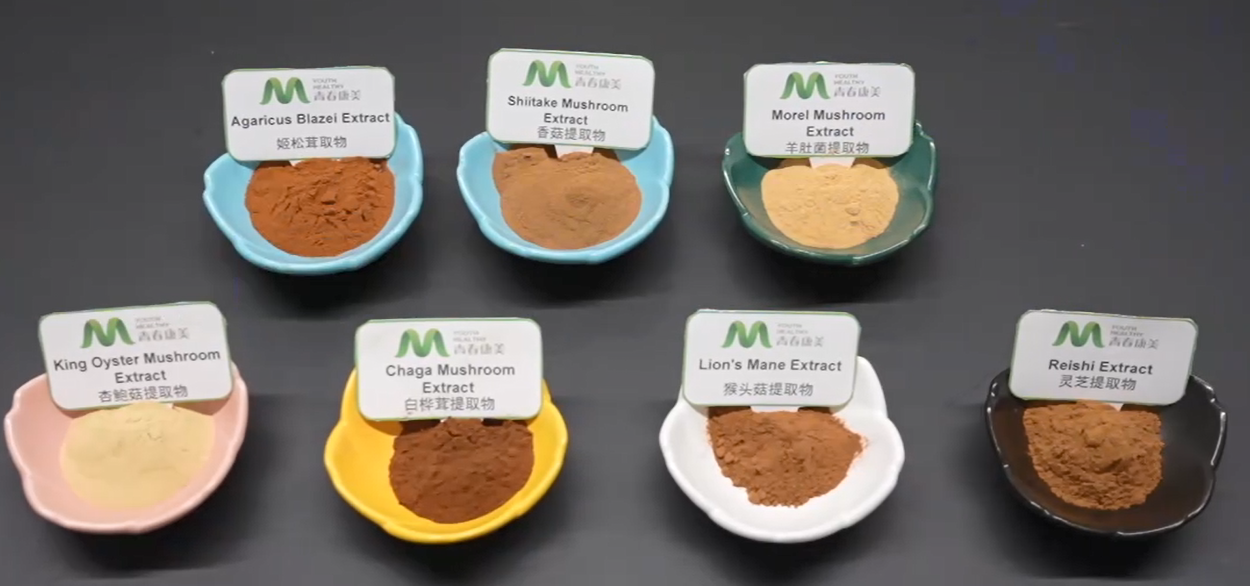
Lion’s Mane Extract
Reishi Extract
Cordyceps Militaris Extract
Shiitake Extract
Maitake Extract
Chaga Extract
Turkey Tail Extract
Agaricus Blazei Extract
Golden Oyster Mushroom Extract
Reishi Mycelium Extract
Common specifications include:
Polysaccharides 30%
Beta-glucans 10%–30%
Ergothioneine 1%–5%
We also offer custom blends, private-label mushroom coffee, functional beverages, and OEM formulations to help you launch market-ready products faster.
If you are developing a functional mushroom product for the global market, we would be happy to provide COA, TDS, MSDS, samples, and formulation support.
Let’s turn functional mushrooms into your next successful health product.