
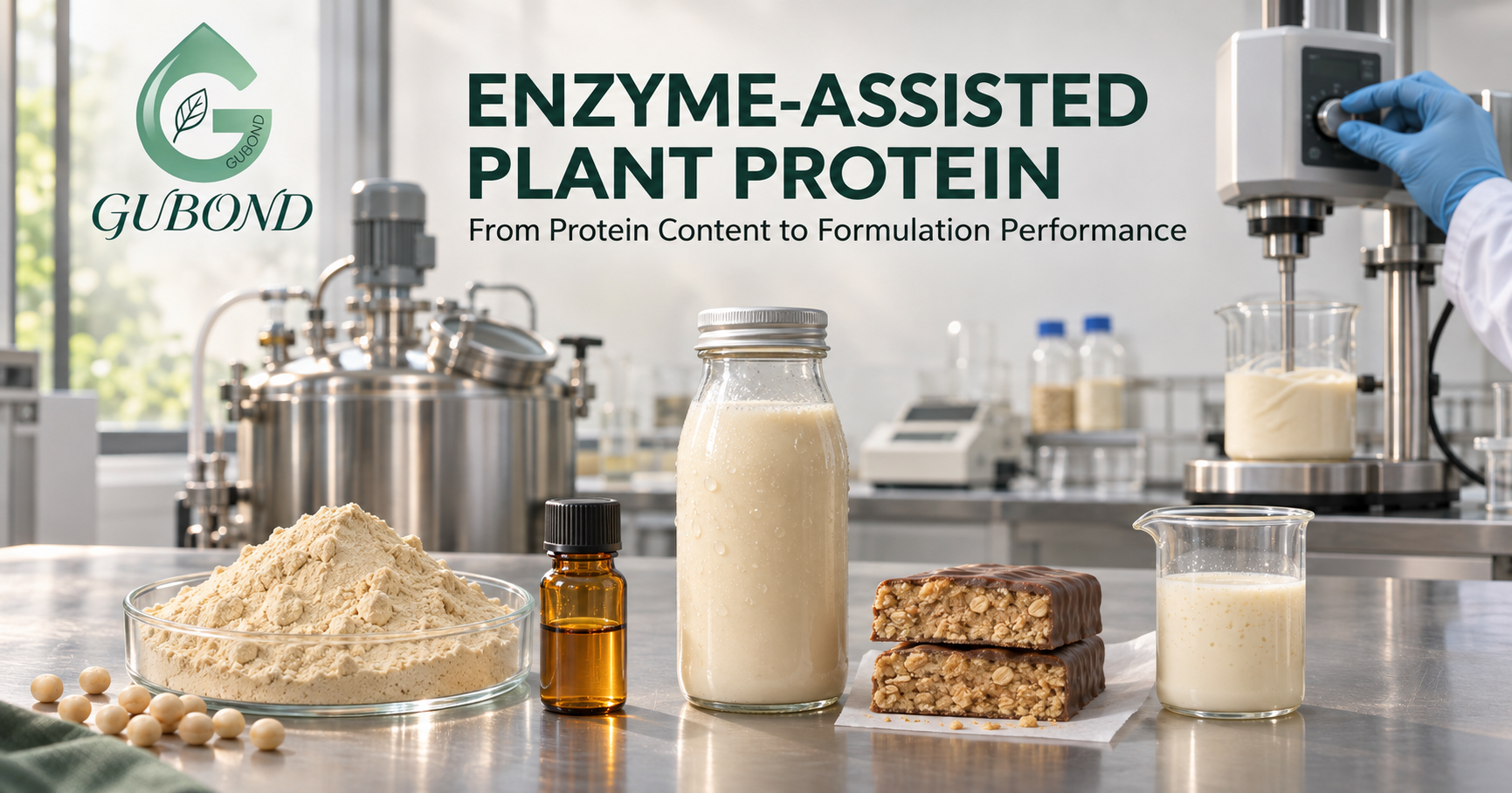
Plant Protein Moves Beyond Shakes as Enzyme Technology Improves Formulation Performance
Plant protein innovation is entering a more application-focused stage.
For manufacturers, the question is no longer simply how much protein can be added. The greater challenge is how that protein performs during processing and in the finished product.
Solubility, emulsification, sedimentation, flavor, viscosity and texture can determine whether a plant-protein concept succeeds beyond the laboratory.
Ahead of Fi Europe 2026, new enzyme-assisted pea-protein processing technology is drawing industry attention. One recently announced solution is designed to improve the solubility, emulsification and flavor profile of pea protein isolate while maintaining its protein level.Amano Enzyme
The development reflects a broader shift: plant protein is moving beyond conventional shakes and into more technically demanding food and beverage applications.
Plant Protein Applications Addre Expanding

Plant proteins are increasingly evaluated for:
- Ready-to-drink beverages
- Dairy-alternative products
- Nutrition bars
- Bakery products
- High-protein snacks
- Sauces and prepared foods
- Meal-replacement products
- Powdered nutritional formulations
Each application creates different technical requirements.
A protein that performs well in a dry powder may behave differently in an acidic beverage, heat-treated drink or high-fiber nutrition bar. Manufacturers must therefore evaluate protein ingredients within the complete processing system.
Functionality Becomes the Main Development Challenge
Common plant-protein formulation challenges include:
- Limited solubility
- Sedimentation during storage
- Beany or earthy off-notes
- Excessive viscosity
- Grittiness or dry mouthfeel
- Weak emulsification
- Instability under heat or acidic conditions
- Inconsistent texture between production batches
These issues cannot always be solved by adding more flavor, stabilizer or emulsifier.
In some applications, enzyme-assisted processing may offer another development route by modifying selected protein characteristics before or during formulation.
How Enzyme-Assisted Processing May Help
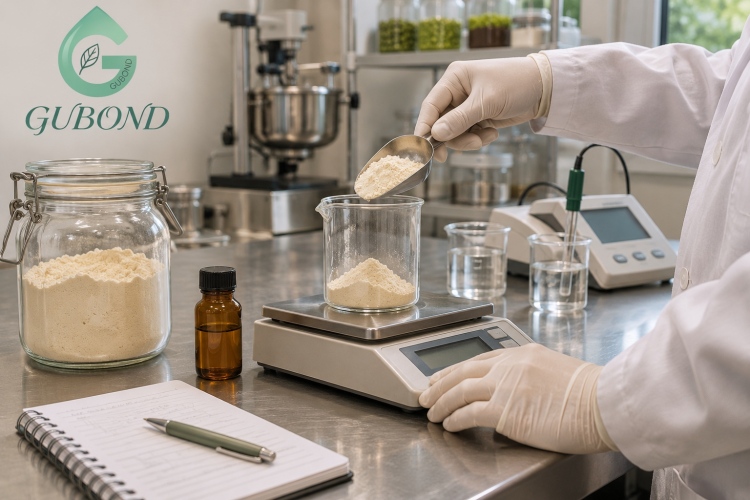
Selected enzymes can act on protein structures under controlled processing conditions.
Depending on the enzyme, substrate and process design, enzymatic treatment may be evaluated for objectives such as:
- Improving protein dispersion
- Adjusting solubility
- Supporting emulsification
- Modifying viscosity
- Developing a smoother texture
- Reducing certain undesirable flavor notes
- Creating protein hydrolysates with specific properties
However, enzyme treatment is not automatically beneficial.
Excessive hydrolysis may create bitterness, reduce structure or produce an unsuitable molecular profile. The final result depends on enzyme activity, dosage, temperature, pH, reaction time and inactivation conditions.
Application testing remains essential.
Different Enzymes Serve Different Purposes
Protease
Protease may be evaluated for controlled protein hydrolysis, solubility adjustment and the development of protein hydrolysates.
The degree of hydrolysis should be carefully managed because excessive treatment can affect flavor and texture.
Transglutaminase
Transglutaminase can be considered in selected protein systems where texture, protein interaction or structural development is required.
Its suitability depends on the protein source, formulation and applicable regulations.
Carbohydrate-Processing Enzymes
Amylase, cellulase and xylanase may be relevant when plant-protein products also contain cereal, starch or fiber components.
These enzymes should be selected according to the complete raw-material system rather than the protein ingredient alone.
A Complete Formulation Strategy Is Required
Enzymes are only one part of plant-protein product development.
A professional formulation process may also involve:
- Protein-source selection
- Dietary fiber
- Sweeteners
- Stabilizers and emulsifiers
- Flavor-masking systems
- Natural colors
- Mineral and vitamin fortification
- Heat-treatment conditions
- Homogenization
- Shelf-life evaluation
Changing one component may influence several others. For example, adding fiber can affect viscosity, while reducing sugar may change mouthfeel and flavor release.
For this reason, pilot testing should evaluate the complete formulation rather than individual ingredients in isolation.
Technical Documentation Matters
Before selecting an enzyme or functional ingredient, buyers should consider:
- Product specification
- Enzyme source and activity
- Activity test method
- Recommended pH and temperature range
- Dosage guidance
- Carrier information
- Allergen and GMO statements
- Storage conditions
- COA and TDS
- Destination-market requirements
The same declared enzyme activity does not necessarily produce the same result when test methods or processing conditions differ.
GUBOND Plant Protein Formulation Support
GUBOND supplies functional ingredients for beverage, nutrition, bakery and other food-manufacturing applications.
Our relevant portfolio includes:

- Protease
- Transglutaminase
- Amylase
- Cellulase
- Xylanase
- Protein ingredients
- Dietary fibers and prebiotics
- Sweeteners
- Plant extracts
- Customized enzyme systems
Before recommending a product, we communicate with customers about the protein source, finished-product category, processing conditions, target characteristics and destination market.
According to individual requirements, GUBOND can provide:
- Product specifications
- COA and TDS
- Enzyme-activity information
- Sample support
- Customized activity or specifications
- Packaging options
- International shipping support
- Responsive pre-sale and after-sale communication
Plant-protein innovation is moving from simple protein enrichment toward better functionality and consumer experience.
GUBOND is ready to support B2B customers in evaluating suitable enzymes and functional ingredients for application-specific product development.
Enzyme Technology · Plant Protein · Application Support · Professional Service