Global demand for Traditional Chinese Medicine (TCM) is shifting. While East Asia remains the anchor of the trade, a wave of emerging markets — from Nigeria and Kenya in Africa to the UAE and Saudi Arabia in the Middle East, and from Vietnam to Indonesia in Southeast Asia — is now opening a fast-growing channel for bulk Chinese herbs. For distributors who move early, this is one of the most attractive opportunities in the herbal supply business today.
Why Emerging Markets Are Driving TCM Trade
The pull is not accidental. Across Southeast Asia, TCM enjoys deep cultural familiarity: products such as polygonatum (Huangjing), goji berries and angelica are already used as daily tonics and food ingredients, with penetration rates in some Thai and Vietnamese segments exceeding 35%. In the Middle East, high-value ingredients such as Chenpi and Citrus reticulata (Huajuhong) are winning over buyers at recent supply-demand events in the UAE and Saudi Arabia, with deals closed on the spot. In Africa and South Asia, a growing middle class and rising interest in natural health products are creating entirely new distribution lanes.
Official data confirms the momentum. China's Ministry of Commerce and the Chinese Medical Pharmaceutical Import & Export Chamber report that Asia still accounts for about 84% of bulk herb exports, yet the real growth is appearing outside the traditional hub: exports to Cambodia, Myanmar and Laos have climbed sharply, and Belt-and-Road markets now host more than 1,000 TCM clinics and 2,000 sales terminals. As regulatory frameworks in emerging markets improve and scientific validation grows, the road for bulk TCM ingredients is widening fast.
The Hottest-Selling Bulk Chinese Herbs for Distributors
Not every herb moves the same volume. Based on recent export data and buyer interest, these are the standouts for distributors:
- Cinnamon (Rougui) — the only single herb exceeding USD 100 million in annual export value, driven by food, spice and wellness buyers across the Middle East and Africa.
- Goji Berries (Gouqizi) — a global superfood staple, in heavy demand in North America, Europe and emerging wellness markets.
- Ginseng (Renshen) — the premium tonic, sought after for energy and vitality products in Asia and the Gulf.
- Astragalus (Huangqi) and Codonopsis (Dangshen)— workhorse immunity ingredients used widely in granule and supplement blends.
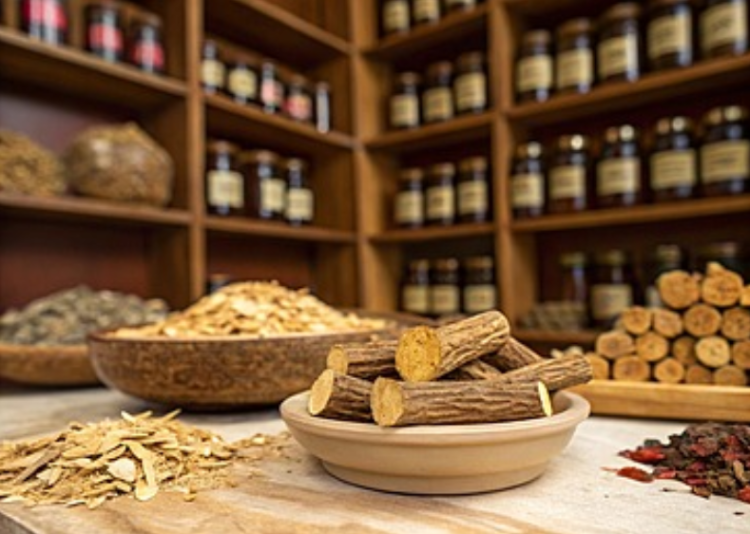
- Licorice Root (Gancao) — a natural sweetener and formula harmonizer with broad, steady demand.
- Angelica (Danggui), Yam (Shanyao) and Polygonatum (Huangjing) — rising stars in Southeast Asian food-tonic and functional-food categories.
These varieties share two traits distributors value: proven international demand and versatile application across supplements, teas, soups and cosmetics.
How Distributors Can Capitalize in 2026
Seizing the opportunity is about more than picking the right herb. The buyers who win in emerging markets focus on three things:
1. Quality and traceability.*Safety indicators and precise sourcing are now the top requirements for overseas buyers. Work only with suppliers who provide batch testing, clean certifications and full origin traceability.
2. Market-fit grading. A cosmetic buyer wants a different grade of goji than a soup maker. Understand each regional application and match the specification accordingly.
3. Reliable bulk logistics. Consistent volume, correct documentation and stable lead times matter more than price in long-term distributor relationships.
For distributors who prefer to offload sourcing risk, working with a one-stop bulk Chinese herbs exporter that consolidates inspection, certification and shipping can dramatically shorten the path from farm to market.
Outlook: A Maturing, Multi-Market Opportunity
TCM bulk trade is entering a phase of quality-driven, multi-market expansion. East Asia will remain the volume base, but the fastest percentage growth in 2026 and beyond is expected to come from Southeast Asia, the Middle East and Africa — exactly the markets where new consumer classes are discovering the benefits of Chinese herbs. For distributors ready to build the right supply chain and grade their products for local tastes, the emerging-markets window is wide open.