
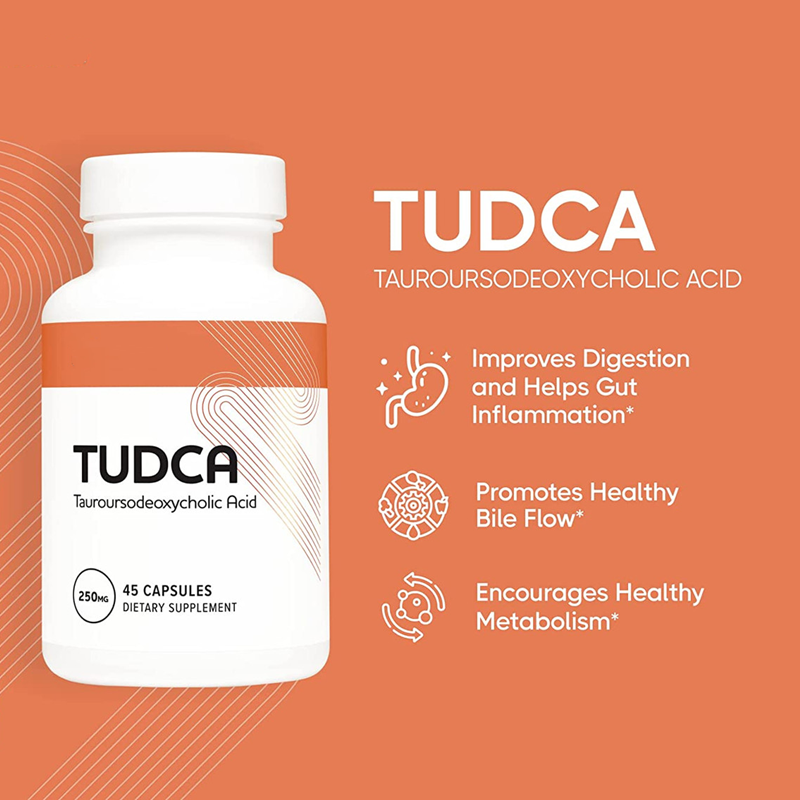
TUDCA (Tauroursodeoxycholic acid) has gained attention in recent years for its potential benefits to liver health. This article explores the current understanding of TUDCA's effects on the liver from various perspectives, including scientific research, clinical trials, and practical applications.
What is TUDCA?
TUDCA is a bile acid naturally produced in small amounts by the body. It is derived from the conjugation of taurine with ursodeoxycholic acid (UDCA), a more widely recognized bile acid known for its therapeutic properties in treating liver diseases such as primary biliary cholangitis and primary sclerosing cholangitis.
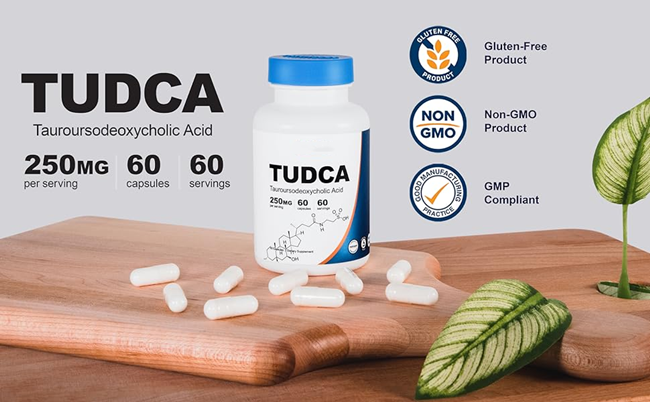
The Benefits of TUDCA
1. Liver health
TUDCA plays an important role in promoting liver health:
- Reducing endoplasmic reticulum stress (ER stress): TUDCA can reduce intracellular stress response by stabilizing the endoplasmic reticulum membrane and enhancing protein folding mechanism, which helps prevent and treat liver diseases such as non-alcoholic fatty liver disease (NAFLD).
- Anti-apoptotic effect: TUDCA inhibits apoptosis of hepatocytes, which is essential for reducing liver damage caused by oxidative stress, inflammatory factors, etc.
2. Cell protection mechanism
TUDCA protects hepatocytes from damage through multiple mechanisms:
- Regulating mitochondrial function: TUDCA helps maintain the stability of mitochondrial function and reduce mitochondrial-related damage, thereby maintaining normal metabolism and energy production of hepatocytes.
- Antioxidant activity: As an antioxidant, TUDCA can neutralize free radicals and reduce the damage of oxidative stress to liver cells.
3. Clinical research
Clinical trials have shown that TUDCA has potential benefits in treating a variety of liver diseases:
- NAFLD and ALD treatment: Studies have shown that TUDCA can improve liver enzyme levels, reduce inflammatory responses, and may prevent disease progression, which is particularly important for patients with non-alcoholic fatty liver disease (NAFLD) and alcoholic liver disease (ALD).
- Comparison with UDCA: Compared with ulinastatin (UDCA), TUDCA has shown better bioavailability and efficacy in the treatment of certain liver diseases, but more large-scale clinical trials are needed to confirm these findings.
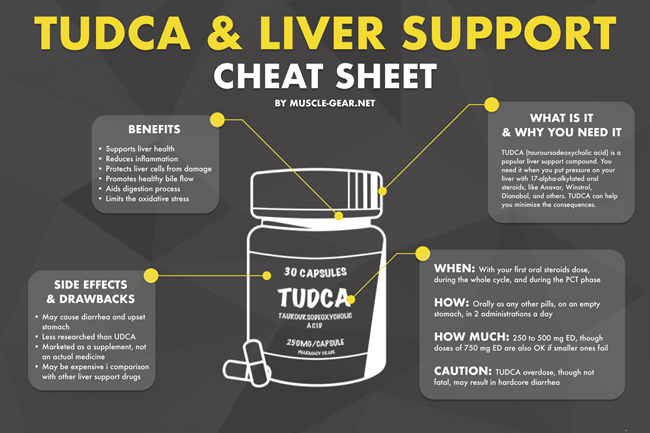
What clinical evidence supports the efficacy of tudca in protecting the liver?
1. Studies on Liver Diseases
Clinical trials have evaluated TUDCA's efficacy in treating liver diseases such as NAFLD, alcoholic liver disease (ALD), and cholestasis. Results from these studies suggest that TUDCA supplementation can improve liver enzyme levels, reduce inflammation, and possibly halt disease progression in certain patients.
2. Comparative Studies with UDCA
Comparative studies between TUDCA and UDCA have highlighted TUDCA's potentially superior bioavailability and effectiveness in some liver conditions. However, more extensive clinical trials are needed to confirm these findings and establish optimal dosage and treatment durations.
What are the practical applications of TUDCA in life?
1. Supplements and Dosage
TUDCA is available as a dietary supplement in various forms, including capsules and powders. Recommended dosages vary depending on the condition being treated and should be determined by healthcare providers familiar with the patient's medical history.
2. Safety Considerations
Overall, TUDCA appears to be well-tolerated with minimal side effects reported in clinical trials. However, like any supplement, it is essential to use TUDCA under medical supervision, especially in individuals with pre-existing liver conditions or taking other medications.
Xi'an tgybio Biotech Co.,Ltd is Tauroursodeoxycholic Acid factory, we can provide TUDCA capsules and tudca supplements. Our factory also can supply OEM/ODM One-stop service, including customized packaging and labels. If you want to learn more, you can send e-mail to [email protected] or WhatsAPP.
Conclusion
In conclusion, TUDCA shows promise as a therapeutic agent for liver health through its mechanisms of reducing ER stress, preventing apoptosis, and potentially improving liver function markers in clinical settings. While current evidence is promising, further research, including larger clinical trials and long-term studies, is necessary to fully elucidate TUDCA's efficacy and safety profile.
References
- Song S, Andrikopoulos P, Rawson P, et al. Tauroursodeoxycholic acid (TUDCA) alleviates endoplasmic reticulum stress of the liver. Nutrients. 2022;14(2):267. doi:10.3390/nu14020267.
- Beuers U, Trauner M, Jansen P, Poupon R. New paradigms in the treatment of hepatic cholestasis: from UDCA to FXR, PXR and beyond. J Hepatol. 2021;75(Suppl 1):S140-S155. doi:10.1016/j.jhep.2021.08.007.
- Neuschwander-Tetri BA, Loomba R, Sanyal AJ, et al. Farnesoid X nuclear receptor ligand obeticholic acid for non-cirrhotic, non-alcoholic steatohepatitis (FLINT): a multicentre, randomised, placebo-controlled trial. Lancet. 2015;385(9972):956-965. doi:10.1016/S0140-6736(14)61933-4.