
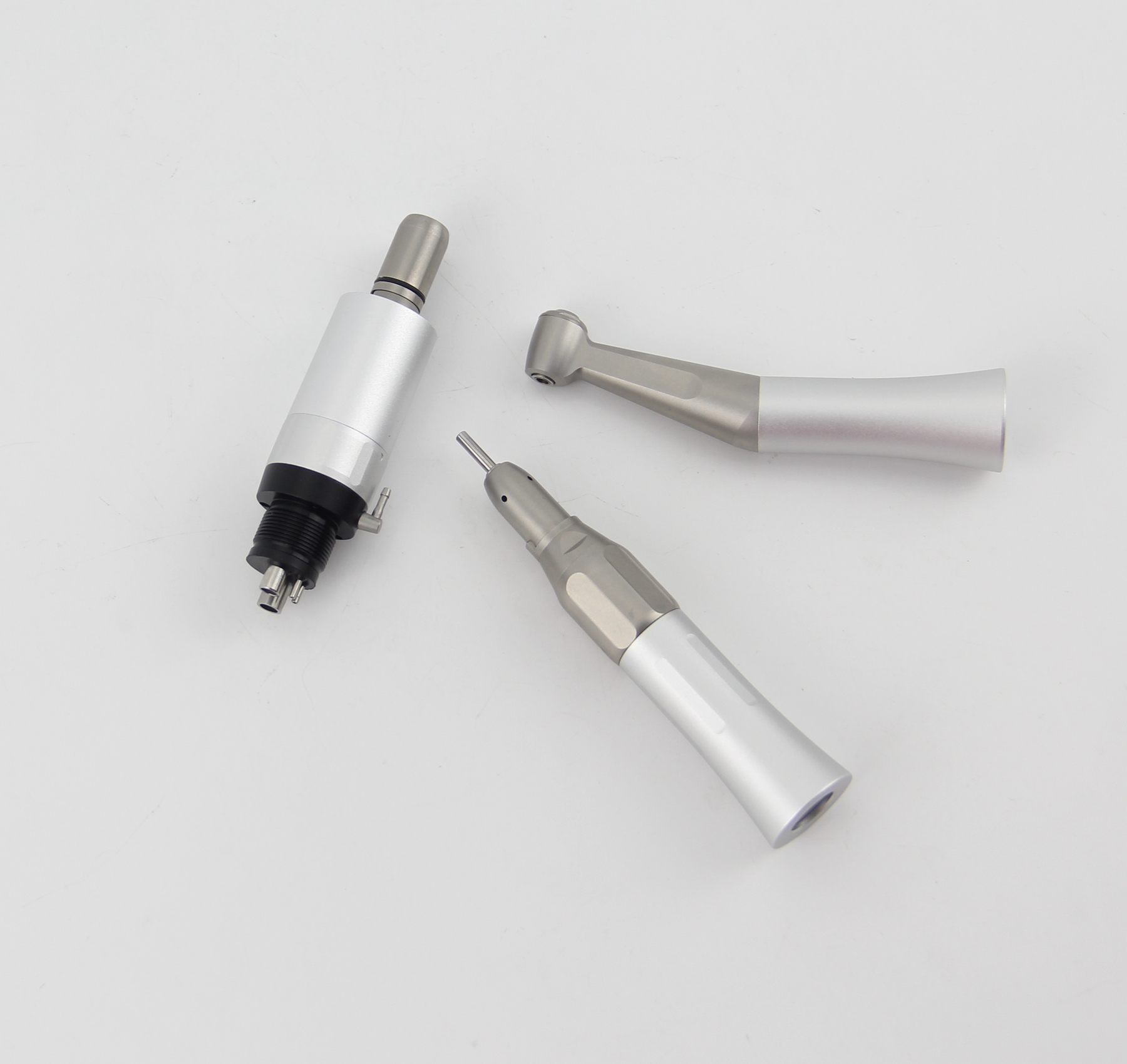
These are the questions that determine whether a supply relationship feels supported or abandoned. This article collects the ones the export desk hears most often, with straightforward answers — covering maintenance, warranty, spare parts, batch consistency and how support actually works once a shipment has arrived.
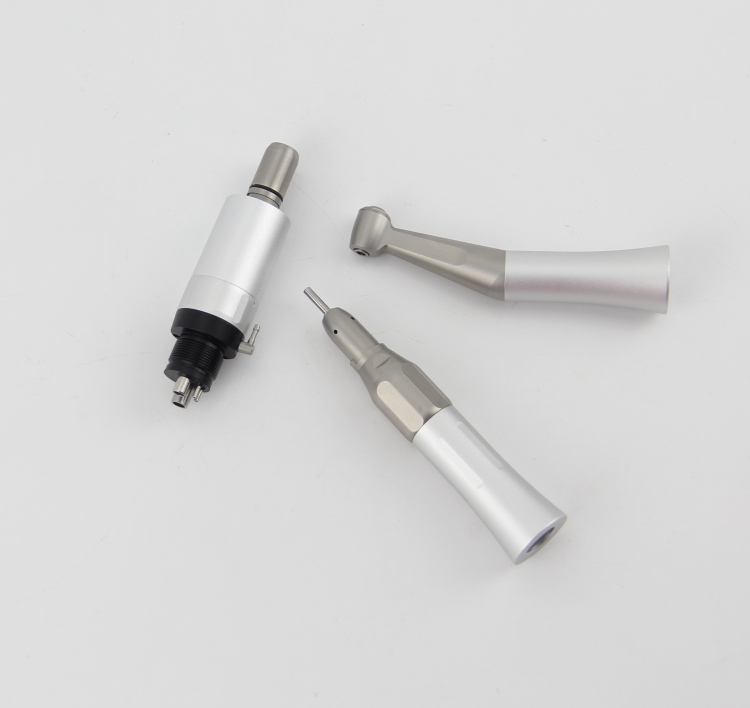
How should a handpiece be maintained?
Maintenance determines instrument life more than manufacturing quality does. The essentials, set out in the Dunbo Dental handpiece maintenance guide, apply to both turbines and gear-driven contra-angles:
Lubricate before every sterilisation cycle. Autoclaving drives lubricant out of bearings. An instrument sterilised dry is being damaged by the process intended to make it safe. This is the single most important habit.
Use the correct lubricant for the instrument type. Turbine spray and contra-angle gear lubricant are not interchangeable. Gear-driven instruments need their gear trains lubricated through the correct port.
Purge after lubricating. Run the instrument briefly to expel excess oil, which otherwise attracts debris and can migrate into the head.
Clean before sterilising. Debris left in flutes, chucks or spray channels protects contamination from the sterilisation cycle.
Clean and check the chuck. Debris reduces bur retention. Periodically cleaning the chuck and confirming that burs seat fully prevents the gradual loss of grip that leads to bur slip.
Check air and water supply. Correct line pressure matters: over-pressure overspeeds turbines and shortens bearing life; under-pressure reduces cutting power. Wet or contaminated air accelerates wear.
Track service intervals. Instruments that are serviced on a schedule — rather than run to failure — last longer and fail at predictable, manageable moments.
Why has my handpiece lost power?
The usual causes, in order of likelihood:
Bearing wear. The most common cause. Bearings degrade with use and with lubrication lapses; replacement restores performance in most cases.
Air pressure problems. Incorrect line pressure or a restricted supply reduces turbine speed before any internal fault exists.
Blocked spray ports. Debris or lubricant residue restricting water flow causes overheating and perceived power loss.
Worn or incorrect bur. A dull bur requires more pressure, which feels like loss of power in the handpiece.
Turbine wear. After extended service, turbine efficiency declines; this is a service or replacement decision rather than a maintenance one.
Diagnosing in that order — supply, bur, spray, bearings, turbine — resolves most cases quickly and avoids replacing an instrument that needs only a service.
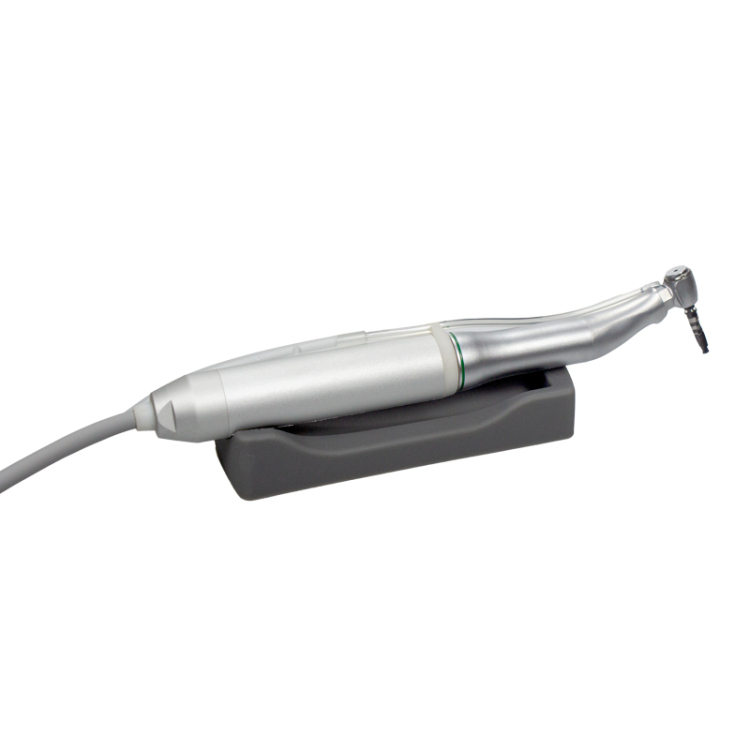
What does the warranty cover?
Warranty terms are specified on the quotation and confirmed in the order documentation, so buyers should check the terms applying to their specific purchase. The general principle:
Manufacturing defects are covered — faults present in the instrument as supplied, arising from materials or assembly.
Wear and maintenance-related failure is not a manufacturing defect. Bearings worn through inadequate lubrication, chucks damaged by debris, and instruments damaged by over-pressure, dropping or incorrect sterilisation fall outside warranty coverage — not as a technicality, but because they are genuinely different failure modes.
Practical guidance: maintenance-related failures are far more common than manufacturing defects. A clinic whose instruments are lubricated before every sterilisation cycle will rarely need to test the warranty; one that is not will frequently believe it has a quality problem when it has a maintenance problem.
Are spare parts and service available?
Yes, for the components that commonly require replacement:
Bearing and turbine replacement is the standard service intervention for high-speed handpieces, and is what returns an instrument to performance rather than requiring full replacement.
Chuck assemblies, seals and O-rings are routine service items.
Contra-angle gear service extends the life of low-speed instruments substantially when performed at intervals rather than after failure.
Distributors should confirm service arrangements for their market when setting up an account, because local service capability is often what determines whether an instrument programme is economical. Spare-part availability is a specification criterion, not an afterthought.
How do you ensure batch-to-batch consistency?
This is the question behind most quality concerns, and the answer has three parts:
Incoming component verification. Bearing batches, turbine cartridges, bur blanks and file wire are checked before assembly rather than accepted on supplier documentation.
Functional testing at release. Speed, torque under load, concentricity, chuck retention and spray performance are measured and recorded per batch.
Traceability. Batch codes link finished instruments to component lots and test records, so a question about a specific unit can be answered from data.
Every batch passes through the same Dunbo Dental quality control inspection regime, so consistency is a process outcome rather than a promise. The practical test buyers can apply: compare a reorder against the original sample using the same specification. That comparison is the measurement that matters.
What happens if something is wrong with a shipment?
The procedure is defined in the contract's acceptance protocol, which is why having one matters:
Document. Photographs, quantities and a description of the deviation, recorded at arrival.
Report promptly. Early reporting allows comparison against production and loading records while the shipment is still recent.
Review against records. Pre-shipment test data, packing records and loading documentation are checked against the reported issue.
Resolve by the agreed mechanism — replacement, credit or adjustment, depending on the nature and extent of the issue.
Because the mechanism is agreed before any problem occurs, resolution is a procedure rather than a negotiation. This is the practical substance of Dunbo Dental after-sales service support: not a warranty document, but a defined path from report to resolution.
Who prepares export documentation, and can we review it?
Documentation is prepared in-house, and drafts are sent for approval before issuance. The standard set covers commercial invoice, packing list and certificates of origin, plus device documentation — ISO13485 certification, CE documentation for Europe, FDA registration details for the United States — as the destination requires.
Reviewing drafts before sailing is the single most effective step a buyer can take to prevent customs delays, because a discrepancy corrected before departure costs nothing while the same discrepancy found at destination costs demurrage and delayed listing.
What are the minimum order quantities?
For standard product, one order of the core specification is typically sufficient to evaluate the relationship end to end. Customised packaging and branding carry their own minimum production runs, which are quoted upfront rather than discovered later.
Mixed containers are common and practical — handpieces, burs, files and consumables consolidated into one shipment — which is how many distributors test a range without over-committing per category.
How long does delivery take?
Standard product runs at approximately fifteen working days in the off-season and around one month during peak periods. Customised OEM orders take longer, because artwork approval, component preparation and packaging production are added — quoted explicitly at quotation stage. Freight transit depends on the destination route and should be added to the production timeline.
Do you support private label?
Yes. OEM and ODM programmes cover specification, branding, packaging and documentation, allowing distributors to build their own instrument lines. The process typically begins with two hero products rather than a full range, then expands as sales volume justifies it.
How do we get started?
Send the export desk your specification — or, if specification is still uncertain, your market and target channel. The desk returns a specification-matched quotation with sample availability. The sequence from there is samples, evaluation, optional facility verification, contract and first shipment.
Conclusion
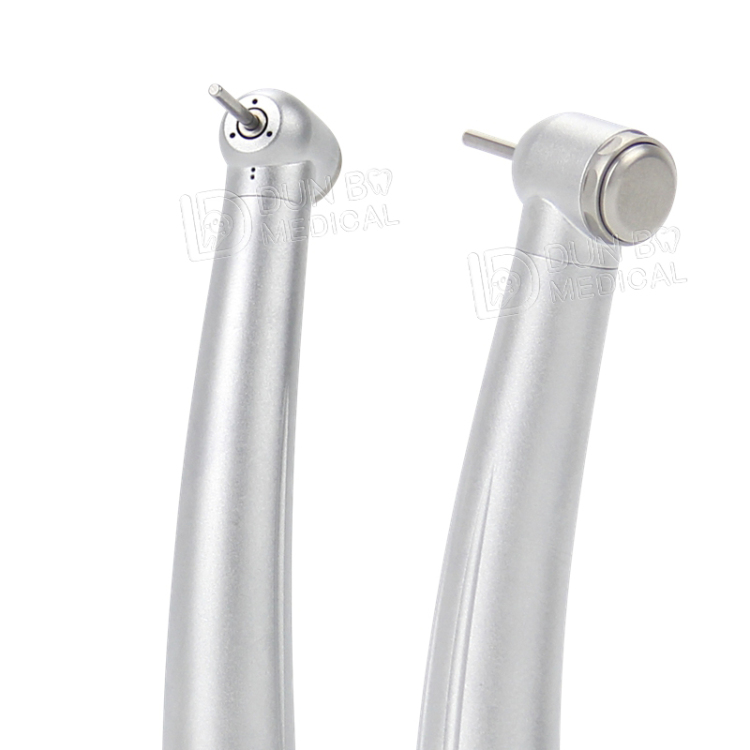
After-sales questions are not interruptions to a supply relationship — they are the relationship. Maintenance guidance determines whether instruments reach their expected service life; warranty terms and a defined claim procedure determine what happens when they do not; and batch testing with traceability determines whether a question can be answered from records or from reassurance.
Dunbo Dental after-sales service support is structured around those realities, with the Dunbo Dental handpiece maintenance guide providing the day-to-day discipline that prevents most failures and the Dunbo Dental quality control inspection regime providing the evidence that answers the rest.