
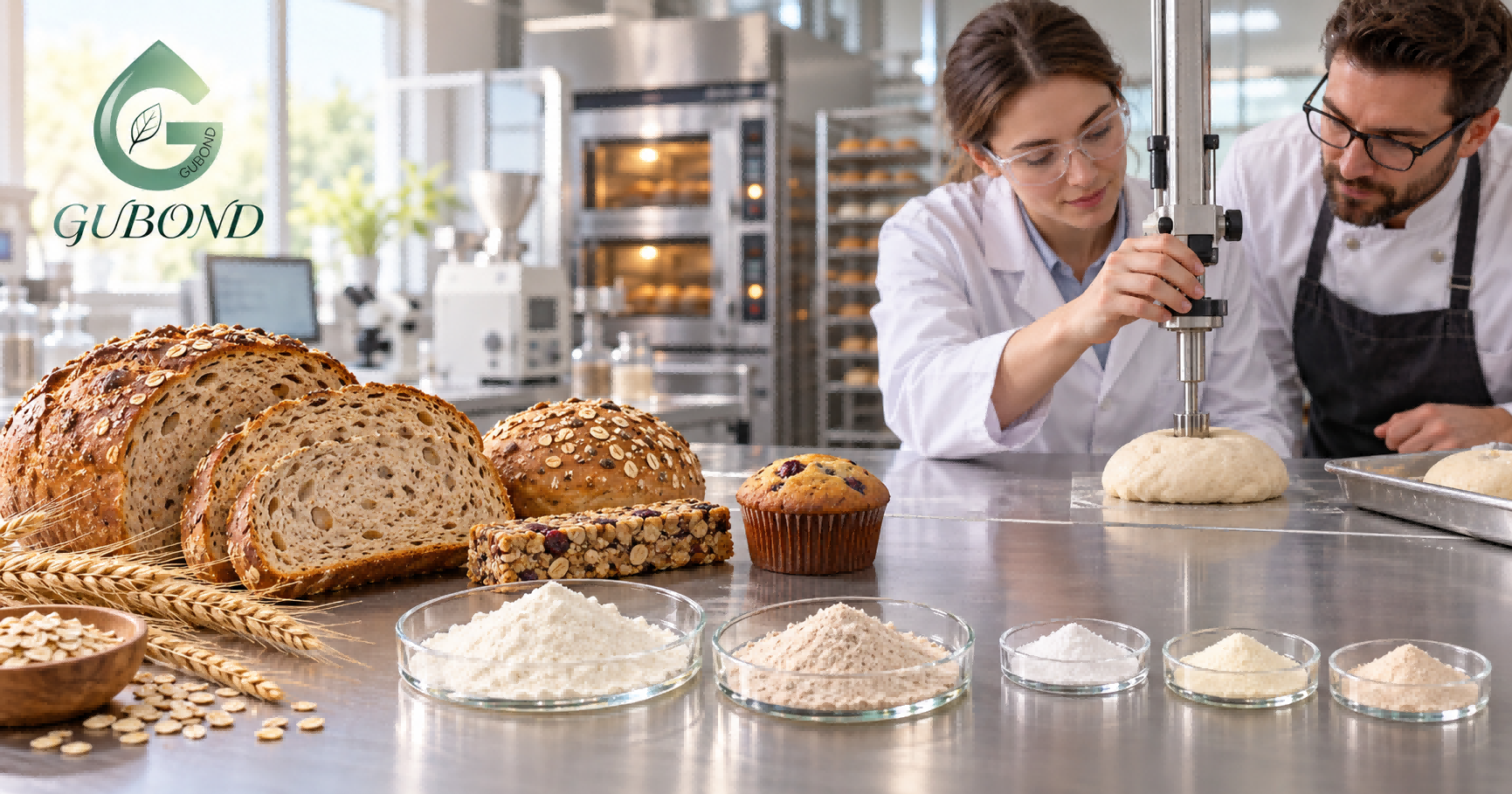
Bakery Reformulation Enters a New Era of Protein, Fiber and Sugar Reduction
The bakery industry is entering a new stage of product reformulation as consumers look for more nutrition, simpler ingredient lists and balanced sensory experiences.
Protein enrichment, dietary fiber, sugar reduction and clean-label development are becoming important directions across bread, cakes, cookies, nutrition bars and other baked products.
However, adding more functional ingredients is not always straightforward. Every adjustment can affect dough handling, product volume, texture, flavor, moisture and shelf-life performance.
For bakery manufacturers, successful reformulation requires a complete ingredient strategy rather than the replacement of a single ingredient.
High-Protein Development Expands Beyond Sports Nutrition
High-protein positioning is no longer limited to protein powders and sports-nutrition products.
Protein ingredients are increasingly being incorporated into:
-
Bread and rolls
-
Cakes and muffins
-
Cookies and biscuits
-
Nutrition bars
-
Breakfast products
-
High-protein snacks
-
Meal-replacement bakery products
Whey Protein Concentrate 80, commonly known as WPC80, can be evaluated for bakery formulations requiring protein enrichment and nutritional improvement.
Protein ingredients can also influence water absorption, dough structure, browning, flavor and finished-product firmness. Their performance therefore depends on the flour system, protein level, processing method and target product.
Dietary Fiber Creates New Formulation Opportunities
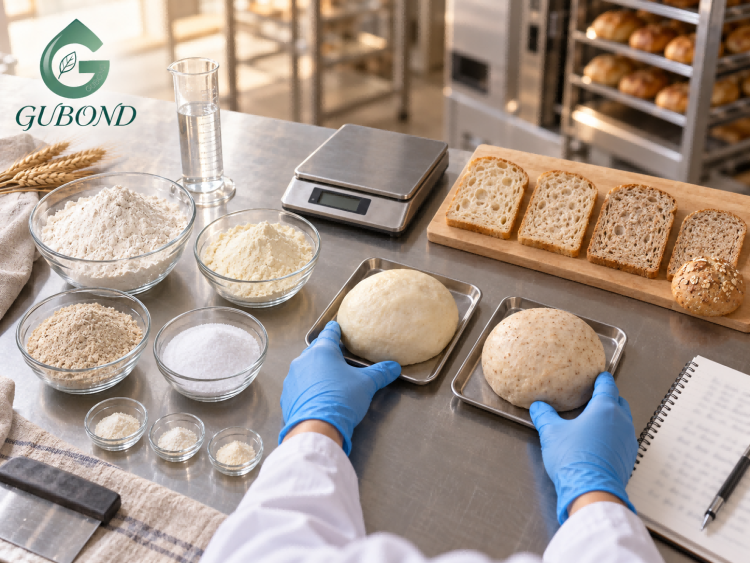
Dietary fiber and prebiotic ingredients are receiving greater attention as manufacturers develop bakery products with more balanced nutritional profiles.
Potential ingredients include:
-
Resistant Dextrin
-
Inulin
-
Fructooligosaccharides
-
Galactooligosaccharides
-
Xylo-oligosaccharides
-
Other soluble and insoluble dietary fibers
Fiber can contribute to the nutritional positioning of baked products, but it can also change water demand, dough viscosity, product volume and mouthfeel.
The type of fiber, particle size, solubility and addition level should therefore be selected according to the specific application.
Sugar Reduction Requires More Than Sweetness
Sugar performs several functions in bakery products. In addition to sweetness, it can influence:
-
Product color
-
Moisture retention
-
Texture
-
Bulk
-
Browning
-
Flavor release
-
Shelf life
Replacing sugar with a high-intensity sweetener alone may create differences in volume, structure and mouthfeel.
Manufacturers may evaluate combinations of sweeteners, fibers, bulking ingredients and processing solutions. Erythritol, Allulose, Stevia Extract and other sweetening ingredients can be considered according to the product, desired sweetness, processing conditions and applicable local regulations.
The most suitable solution should be established through formulation and application testing.
Bakery Enzymes Support Processing Performance
Food enzymes are widely evaluated in bakery systems because different enzymes act on different components of flour and dough.
Common bakery enzymes include:
Xylanase
Xylanase acts on susceptible arabinoxylan components in flour. Depending on the enzyme preparation and formulation, it may support dough handling and water distribution.
Glucose Oxidase
Glucose Oxidase is used in selected bakery enzyme systems where dough-strengthening support is required. Its performance depends on enzyme activity, dosage, flour quality and processing conditions.
Amylase
Amylase acts on starch and may be evaluated for fermentation performance, crumb characteristics and shelf-life-related formulation objectives.
Lipase
Lipase can modify susceptible lipid components and may be incorporated into enzyme systems designed for dough and crumb improvement.
Enzymes should not be selected only by activity value. The test method, pH range, temperature, dosage, reaction time and compatibility with the complete formulation are also important.
The Value of a Combined Formulation Approach
Protein, fiber, sweeteners and enzymes should not be evaluated separately when they are used in the same bakery product.
For example, increasing protein or fiber may change dough hydration and structure. Reducing sugar may influence browning and moisture retention. An enzyme system must then be selected according to the reformulated dough rather than the original recipe.
A professional development process may include:
-
Defining the nutritional and label targets
-
Selecting suitable protein, fiber and sweetening ingredients
-
Evaluating water absorption and dough handling
-
Selecting an appropriate enzyme system
-
Conducting pilot baking tests
-
Comparing texture, volume, color and sensory performance
-
Confirming storage and shelf-life conditions
This application-specific approach can help manufacturers identify more balanced formulations.

GUBOND Bakery Ingredient Solutions
GUBOND supplies functional ingredients for bakery manufacturers, premix producers, food brands and ingredient distributors.
Our relevant product portfolio includes:
-
WPC80 and protein ingredients
-
Dietary fibers and prebiotics
-
Erythritol, Allulose and other sweeteners
-
Xylanase
-
Glucose Oxidase
-
Amylase
-
Lipase
-
Protease
-
Customized bakery enzyme systems
Before recommending a product, we communicate with customers about the bakery application, target specification, flour system, processing conditions and expected product characteristics.
According to product and customer requirements, GUBOND can provide:
-
Product specifications
-
COA and TDS
-
Enzyme-activity information
-
Sample support
-
Customized specifications
-
Packaging options
-
International shipping support
-
Responsive B2B communication
We understand that bakery reformulation is not simply about adding more protein, fiber or enzymes. It is about balancing nutrition, processing performance, texture and consumer experience.
GUBOND is ready to support customers in evaluating suitable ingredients for their bakery-product development.
Functional Ingredients · Bakery Enzymes · Customized Solutions · Professional Support