
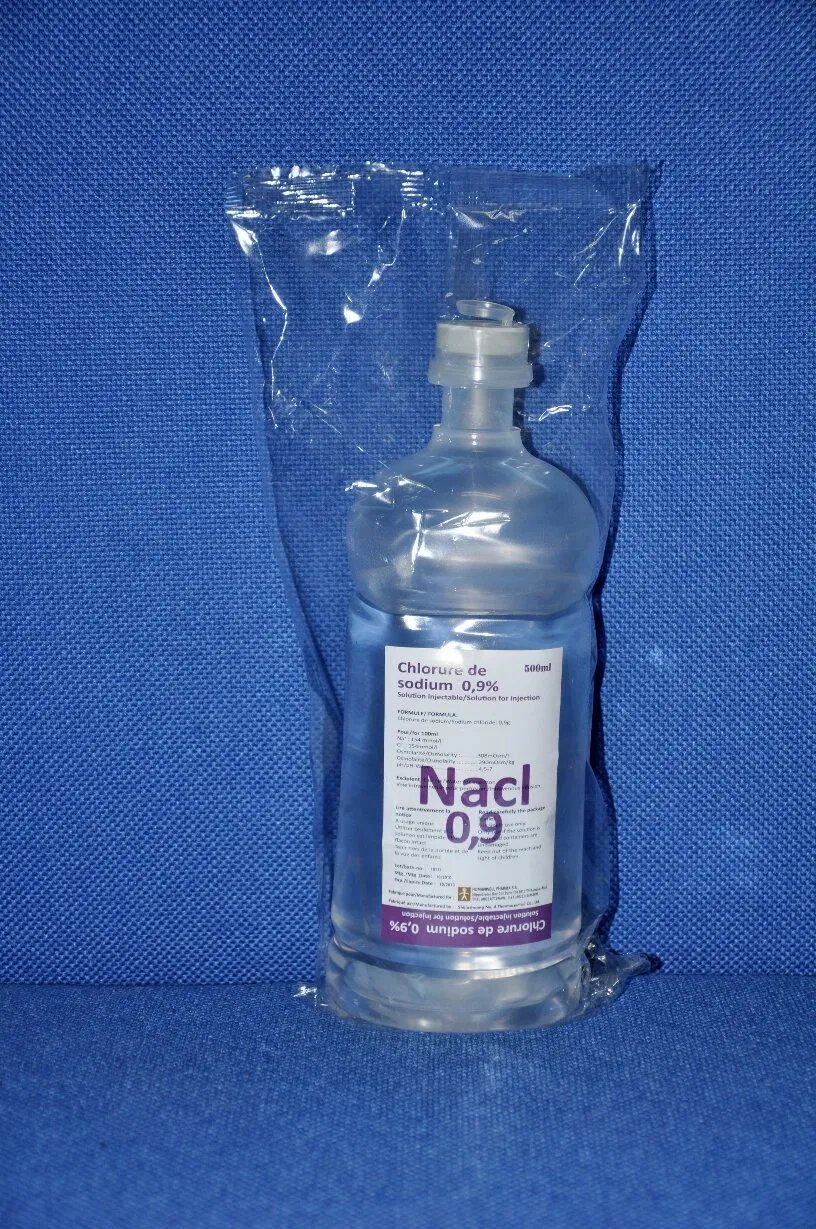
Bacterial endotoxin testing is the single most critical safety release test for IV infusions, and bacterial endotoxin test limits for IV infusion solutions are non-negotiable for every importer's QA review.
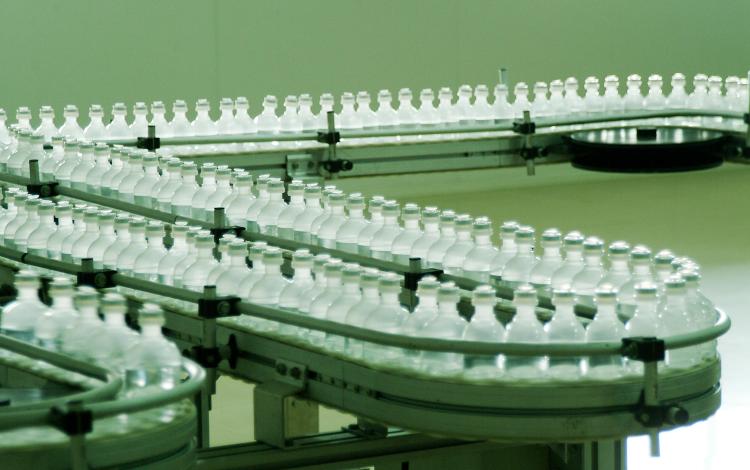
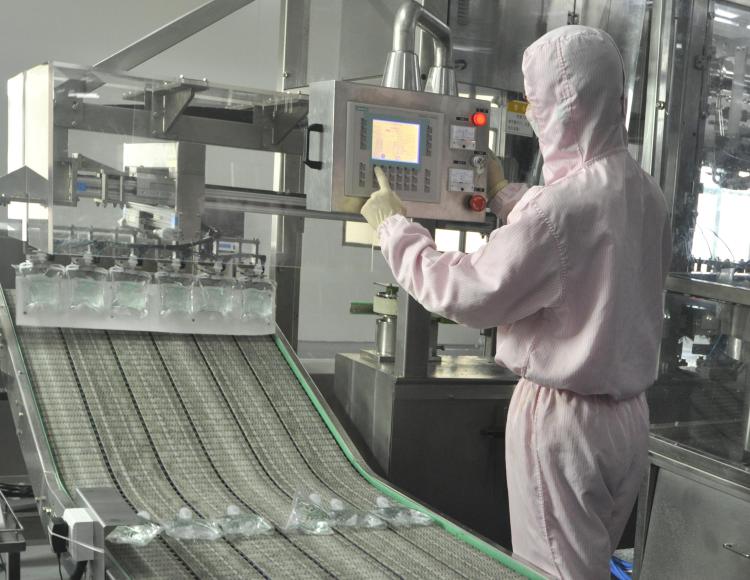
Endotoxin contamination in large volume parenterals (LVP) can cause pyrogenic reactions when the product is administered intravenously, making it a frontline quality and safety parameter. For international procurement and regulatory affairs teams, the challenge is not just confirming that a batch passes the test, but understanding how the test is performed, how the limit is derived, and what the manufacturer's control systems look like behind the COA. SSY Group, through its manufacturing entity Shijiazhuang No.4 Pharmaceutical Co., Ltd., produces SHIMEN brand IV infusions at one of the world's largest single-site LVP facilities, with an annual capacity of 4 billion bottles/bags, applying rigorous endotoxin control aligned with international pharmacopoeial standards.
1. How are bacterial endotoxin limits set for IV infusions?
Endotoxin limits are derived from the maximum safe human exposure per kilogram of body weight, and because IV infusions are administered in large volumes, their per-mL limits are typically among the tightest in parenteral pharmaceuticals.
The basic principle: from dose to limit
The general logic across major pharmacopoeias is consistent: a maximum endotoxin exposure per kg of body weight per hour is established, and then the product's maximum dose (in mL/kg or mg/kg) is used to back-calculate the allowable endotoxin limit EU per ml for large volume parenterals. Because LVP products are often infused in volumes of hundreds of milliliters to multiple liters per patient, the per-milliliter limit tends to be low — typically in the range of a fraction of one EU/mL for many common IV solutions, as an order-of-magnitude concept.
The exact limit is product-specific and depends on:
The route of administration (intravenous is the most common for LVP)
The maximum recommended dose per kg body weight
The pharmacopoeia and local registration standard
Any product-specific considerations (e.g., high-dose supportive care solutions)
Disclaimer: The description above is a general explanation of pharmacopoeial logic. Actual limits must be confirmed against the current edition of the applicable pharmacopoeia and the product's registered specification.
LAL vs. pyrogen test: what importers need to know
Modern pharmacopoeias have largely adopted the Limulus Amebocyte Lysate (LAL) test as the primary method for endotoxin detection, replacing or supplementing the traditional rabbit pyrogen test. LAL methods include:
Gel-clot method: the simplest and most traditional format, providing a pass/fail result
Photometric methods (turbidimetric and chromogenic): quantitative, offering greater sensitivity and wider dynamic range
The LAL test requirement on IV fluid certificate of analysis varies by market. Some regulators require a quantitative LAL result, others accept gel-clot, and a few still maintain pyrogen test requirements for certain product categories. When writing tender specifications for a multi-market wholesale program, it is prudent to require both an LAL test and, where needed, a pyrogen test to cover the broadest range of import requirements.
Why the method matters for your supply chain
A manufacturer that runs quantitative photometric LAL on every batch gives you more data than one running gel-clot only. Quantitative data lets you see trends — is endotoxin consistently near the limit of detection, or is it trending upward? Trend data is a valuable signal of process stability. Leading suppliers also perform endotoxin testing at multiple stages: on raw materials, in-process, and at final release. SSY Group's integrated manufacturing model — from in-house API to in-house packaging materials — reduces contamination risks at every step, and the company applies stringent NMPA GMP, ISO 9001, ISO 14001, ISO 45001, and CE-certified quality systems across its LVP production.
✅ Bottom line: Specify quantitative LAL in tenders; check that limits are derived from the strictest applicable pharmacopoeia and registered standard.
2. What should importers verify on the endotoxin section of a COA?
The COA endotoxin section tells you only part of the story; you also need to confirm the method, sampling plan, and how the manufacturer handles deviations.
The procurement verification checklist
The table below summarizes the key items that every QA and procurement team should verify when auditing a new factory or reviewing a COA for a bulk order.
| Verification item | Why it matters | What to request from the supplier |
| Endotoxin test result (quantitative value, not just "pass") | Shows actual level and margin to limit; enables trend analysis | Numerical EU/mL result per batch, with method stated |
| Test method and pharmacopoeial reference | Different methods and pharmacopoeia chapters have different sensitivities and rules | Method name (gel-clot / turbidimetric / chromogenic) and pharmacopoeia chapter |
| Acceptance limit applied | Confirms the limit matches your market's registered specification | Stated limit in EU/mL and the basis (USP / EP / BP / registered spec) |
| Sampling plan and test frequency | Determines confidence level in batch release | Number of containers sampled, number of replicates, sampling location |
| OOS investigation procedure | Shows how deviations are handled and documented | OOS SOP summary, CAPA examples from past two years |
| In-process endotoxin monitoring | Indicates proactive control vs. end-of-line testing only | List of in-process test points and frequency |
| Raw material endotoxin control | Catches contamination at the source | Incoming API and water endotoxin specifications and test frequency |
Beyond the COA: what to audit on-site
When you conduct a supplier audit, go deeper than reviewing final release data. Walk the water system (WFI and pure steam are critical endotoxin control points), review the environmental monitoring program for the filling area, and check the validation status of the LAL test method (inhibition/enhancement studies, method suitability). A custom formulation partner that can provide a complete endotoxin control narrative — from water system to finished product — is significantly lower risk than one that only presents final COA numbers.
SSY Group's LVP facilities are designed with endotoxin control as a fundamental design parameter: validated WFI systems, automated CIP/SIP, dedicated filling lines, and a quality team that oversees every stage from incoming materials to finished goods release. Internal release specifications are set against bacterial endotoxin test limits for IV infusion solutions derived from major pharmacopoeial references. With 10 subsidiaries, over 6,500 employees, and 78 years of pharmaceutical manufacturing history, SSY has built the systems needed to support consistent endotoxin compliance for export to over 100 countries and regions.
✅ Bottom line: Require quantitative LAL results + method details on every COA; audit water systems and OOS procedures on-site.
FAQ
Q: What are typical bacterial endotoxin test limits for IV infusion solutions?
A: Limits are product-specific and based on the maximum patient dose per kg body weight and the route of administration. For many common IV infusion solutions, the order of magnitude is a fraction of one EU per mL, but the exact value must always be confirmed against the current edition of the applicable pharmacopoeia and the product's registered specification in the target market.
Q: How is the endotoxin limit EU per ml for large volume parenterals calculated?
A: The general principle across pharmacopoeias is to divide the maximum safe endotoxin exposure per kg body weight by the maximum dose (in mL/kg) of the product. This gives a per-mL limit. Because large volume parenterals are administered in high volumes, their per-mL limits tend to be relatively strict compared to small-volume injections. Always verify the exact calculation and limit in the applicable pharmacopoeial chapter and local registration file.
Q: What LAL test requirement on IV fluid certificate of analysis should I specify in a tender?
A: At minimum, specify that the COA must include the endotoxin result, the test method (preferably quantitative, e.g., turbidimetric or chromogenic LAL), the pharmacopoeial reference, the acceptance limit, and the testing date. For multi-market sourcing, also require the supplier to state that the method is suitable for and compliant with the pharmacopoeias relevant to your target countries. Always align with local regulatory requirements.
Contact SSY Group's export technical team for a sample endotoxin control package — including COA examples, water system validation summaries, and our LAL testing program overview. See why our SHIMEN brand IV infusions are trusted by wholesale distributors and healthcare partners in over 100 countries, and how we can support your bulk and custom sourcing requirements.
Published: November 2026 | By SSY Group Export Technical Team